Supplier Evaluation Checklist for Strength Retention Emulsions: Key Capabilities to Verify
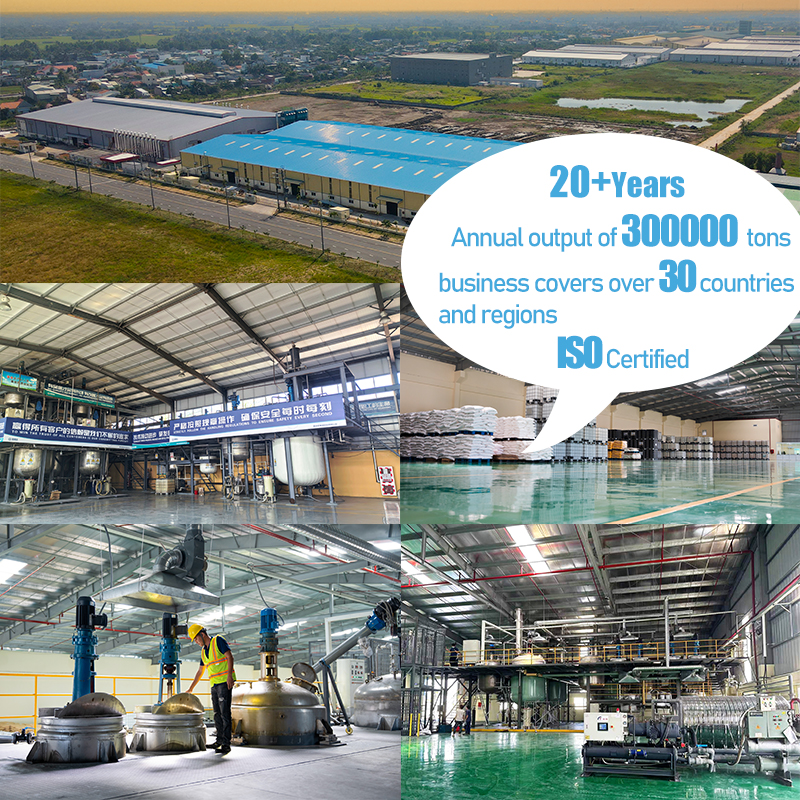
Cover: JHDA papermaking chemical manufacturing site, Qingzhou City, Shandong Province, China.
Two strength retention emulsions can look identical on a data sheet and behave completely differently on the same paper machine. The difference is rarely the chemistry printed on the page. It is the supplier's ability to hold that chemistry constant shipment after shipment, and to prove on your furnish that the claimed drainage and retention performance actually holds.
This article is a procurement evaluation checklist for wet-end strength retention emulsions, the retention aids that keep fines and fillers inside the sheet while supporting dry strength development. It sets out eight capabilities to verify before a bulk order, the specific question to ask for each one, and the document that turns an answer into evidence. The checklist applies to any grade under tender, including a specific strength retention emulsion such as JH-8501.
Every performance figure below is either published by the supplying manufacturer, Qingzhou Jinhao New Material Co., Ltd. (branded JHDA, a papermaking fine chemicals producer founded in 2005 in Mihe Industrial Park, Qingzhou City, Shandong Province, China), or taken from a named third-party market or standards source. Each figure is attributed at the point where it appears.
Problem Definition: Why Similar Data Sheets Hide Different Suppliers
A data sheet describes what a product is. It does not describe whether the supplier can deliver that product in six months, whether the performance claim was generated on fiber that resembles yours, or who carries the risk if a machine trial underperforms.
Wet-end strength retention chemistry is unusually sensitive to context. Recycled fiber quality moves week to week, filler load changes with grade mix, and machine speed, white water closure and existing wet-end chemistry all interact with the retention emulsion. The same product therefore can deliver strong retention on one line and unstable drainage on the next.
Three failure modes account for most procurement disappointments:
- Specification drift. Solids content, viscosity or charge characteristics move slightly between batches. Because dosing is set on the specification, a small drift becomes a visible change in drainage, retention or sheet formation.
- Unverified performance claims. A retention or strength figure is quoted from the supplier's reference conditions rather than from the buyer's pulp mix, filler system and machine.
- Trial risk transferred to the mill. The supplier ships a sample but provides no formulation adjustment and no start-up support, so the mill absorbs the cost of learning how to run the chemistry.
The commercial reason this checklist exists is simple: price per ton of chemical is not the same number as cost per ton of paper. An emulsion that requires a higher dose, reduces retention, or increases drying energy can cost more per ton of finished paper than a higher-priced product used at a lower, stable dose.
Industry Background: Strength and Retention Chemistry Is Now a Packaging-Led Market
Buyers are not evaluating strength retention emulsions in isolation. The surrounding market gives a clear signal about where performance risk concentrates:
- The global paper dry strength agent market was valued at approximately USD 864 million in 2024 (Intel Market Research).
- The dry strength resin market is projected to reach USD 1.4 billion by 2026, with a CAGR of 4.8% through 2036 (Fact.MR).
- Packaging and containerboard is the leading paper grade segment for dry strength additives, with a 38.0% share (Fact.MR).
- Polyacrylamide (PAM) resins hold an estimated 40.0% share of the dry strength resin market (Fact.MR).
- Asia-Pacific accounts for approximately 40% of the global paper dry strength agent market (Intel Market Research).
- The global pulp and paper chemicals market was estimated at USD 23.64 billion in 2024 (Market Research Future).
- Recycled paper reached 44.4% of all fiber used at U.S. mills in 2024 (American Forest & Paper Association), which directly drives demand for recycled pulp strength boosters and matching retention chemistry.
- For grades intended for food contact, the EU standards applied to paper and board materials are EN 645, EN 646 (colorfastness) and EN 648 (fluorescent fastness) (Northern Testhouse). BfR Recommendation XXXVI is the German framework for paper and board chemicals in food contact and is frequently cited outside Germany (Solenis regulatory guide).
The implication for procurement is direct. Most of the volume and most of the growth sit in packaging grades running recycled fiber, which is exactly the environment where retention and drainage variability is highest. That is why the checklist below weights consistency, verification and technical support more heavily than headline performance numbers.
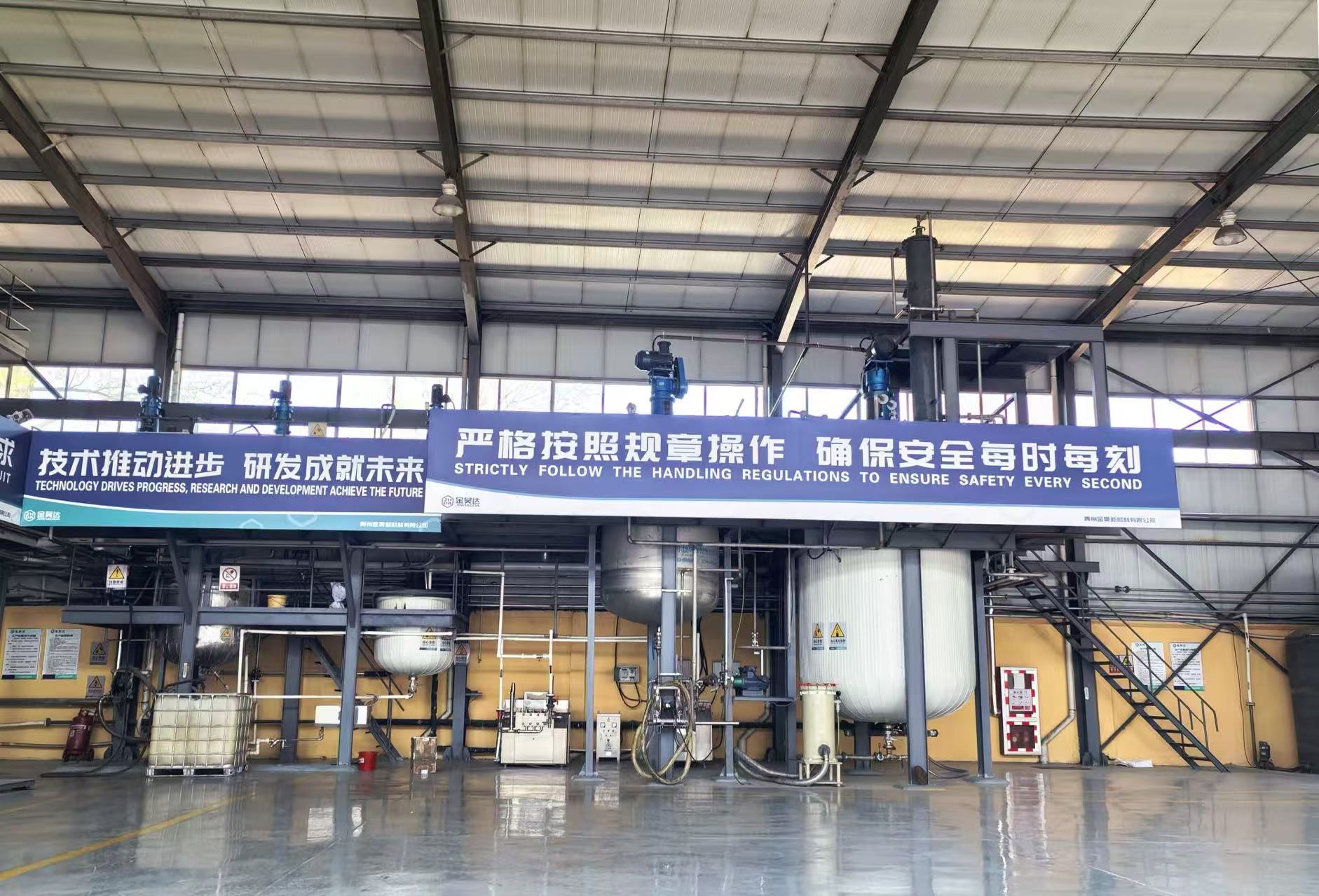
Standardized automated production lines for liquid and solid papermaking chemicals support batch-to-batch consistency.
The Eight-Point Supplier Evaluation Checklist
Each point below pairs the capability with the question to ask and the evidence that should come back. A supplier that cannot answer points 1, 2 and 7 in writing is a higher-risk choice regardless of the price quoted.
1. Declared Specification and the Tolerance Around It
Ask: what is the nominal solids content of the retention emulsion, and what manufacturing tolerance applies to it?
A verifiable answer is a nominal figure with a stated window, for example a solid content of 38.0 ± 1.0%, supported by a certificate of analysis (COA) for each batch showing where that batch actually landed inside the window. A tolerance without a batch record is a statement, not a control. Request the complete TDS and MSDS as part of the same pack, since overseas mills need both for customs clearance and L/C settlement.
2. Evidence of Batch-to-Batch Consistency
Ask: what does the batch record look like over the past twelve months, and what is the pre-shipment test protocol?
JHDA operates standardized automated production lines for both liquid and solid papermaking chemicals and applies unified quality control standards to exported goods. The company provides pre-shipment laboratory testing for export orders and states an annual output reaching 100,000 tons of papermaking fine chemicals, supported by a headquarters site of approximately 20,000 square meters. A large-scale professional R&D laboratory is under construction inside the central production workshop to upgrade testing capability, formula development and product performance verification.
3. Drainage and Retention Performance at Equal Dosage
Ask: what is the fiber retention improvement at the same dose, and how does it change the moisture of the web entering the dryer section?
JHDA publishes, for its paper strength additive solution compared with imported additives from international brands at equal dosage: an 8%-15% improvement in fiber retention rate, a 3%-6% reduction in the moisture content of the paper web entering the dryer section through improved wet-end pulp dewatering, and a resulting 5%-12% reduction in drying steam consumption.
Verification action: require the supplier to reproduce the claim on your furnish, not on their reference stock. Retention performance is a furnish-specific result.
4. Strength Performance and the Test Method Behind It
Ask: which strength indicator, which test method, and which basis weight was used?
JHDA publishes ring crush strength increases of 10%-18% and bursting strength increases of 7%-14% compared with imported additives, with Cobb sizing value fluctuation stabilized within ±3%. Ring crush and burst are the commercial quality gates for corrugated and carton board, so these are the figures a mill should insist on measuring on its own production, using its own laboratory method, before scaling a purchase.
5. Formulation Tailoring, Not Only Dosing Advice
Ask: will you adjust the formulation for my furnish, or only recommend a dose?
JHDA develops custom chemical formulations based on customers' pulp composition (recycled pulp or virgin wood pulp), actual paper machine operating parameters, finished paper requirements and seasonal production variation, with the stated objective of reducing chemical consumption and production cost. A supplier that only recommends a dose is selling a product; a supplier that adjusts the formulation is selling an outcome.
6. Technical Support for Integration
Ask: does support mean a telephone number, or an engineer on the machine?
JHDA's field technical team performs on-site machine debugging and optimizes core paper indicators including Cobb water absorption value, ring crush strength, bursting strength, paper brightness, fiber retention rate and overall paper machine runnability. This is the capability that determines whether a trial converts into stable production. More than 80 employees work across the business, including 20 professional R&D engineers and on-site technical service engineers who support product development and full-cycle after-sales service.
7. Compliance and Export Documentation
Ask: which certificates are held, and which documents ship with the order?
JHDA holds ISO9001 quality management system certification and ISO14001 environmental management system certification, and provides SGS product compliance test reports. Exported chemical products complete CAS registration and GHS hazard labeling and comply with IMDG international marine shipping regulations. The standard export document pack includes commercial invoice, packing list, certificate of origin, pre-shipment inspection report, MSDS, TDS and dangerous goods transport certification.
For grades intended for food packaging paper and board, add the food-contact question to the same request: which framework has the grade been tested against? EN 645, EN 646 and EN 648 are the EU test standards for paper and board food-contact materials, and BfR Recommendation XXXVI is the German framework commonly cited for paper and board chemicals in food contact.
8. Supply Continuity and Commercial Terms
Ask: where is the product produced, where does it ship from, and on what terms?
JHDA has established an overseas supporting production entity, CRM Chemical Technology Co., Ltd., in Long An Province, Vietnam, to serve ASEAN clients with local delivery and shorter delivery cycles. Overseas business accounts for 35%-50% of total sales volume, with core export markets covering Vietnam, Thailand, Malaysia, Indonesia, Myanmar, Cambodia and major packaging paper industrial zones in the Middle East. Minimum order quantity is 1MT, and payment terms include sight L/C, T/T and DP for large-volume chemical orders.
Step-by-Step: How to Run the Evaluation
- Turn the data sheet into a control document. Convert the specification into what you will enforce: nominal solids content with tolerance, viscosity range, mandatory batch COA, and the KPIs the supplier must report. Without this step the checklist stays theoretical.
- Request the document pack before the sample. Ask for TDS, MSDS, ISO9001 and ISO14001 certificates, SGS reports, and a specimen batch COA. A supplier that cannot supply these before a sample is unlikely to supply them after an order.
- Verify the sample against the specification. Check the incoming sample against the declared tolerances and against the supplier's own COA, then confirm the dosing range in a bench or loop test if your laboratory supports it.
- Run the machine trial against pre-agreed KPIs. Agree the KPI list before the trial begins: fiber retention rate, moisture content entering the dryer section, Cobb value stability, ring crush strength, bursting strength, machine runnability, and observations on pitch, stickies and deposits on wires and felts.
- Compare cost per ton of paper, then scale. Multiply dose rate by delivered cost, then adjust for drying energy and maintenance effects. Only after this calculation does the ranking of suppliers become defensible.
Where This Checklist Applies
- Recycled containerboard and corrugated medium. The highest-variability environment. Retention performance drives both sheet strength and drying cost, so points 3 and 8 dominate the decision.
- Kraft linerboard. Strength targets are demanding; ring crush and burst improvements in the published range of 10%-18% and 7%-14% are the indicators to verify on your own machine.
- Food packaging cardboard. Compliance documentation becomes a gating item rather than a supporting one; EN 645, EN 646, EN 648 and BfR Recommendation XXXVI belong in the request list.
- Household tissue and pulp molding products. JHDA's strength additive range includes JH-1216 dry strength agent and JH-1201 PAE wet strength agent, which the company states are suitable for tissue paper and pulp molding products.
- Cost-control programs replacing imported additives. JHDA positions its integrated process chemistry as an alternative route for large and medium-sized mills, with published savings on comprehensive wet-end chemical cost per ton of finished paper.
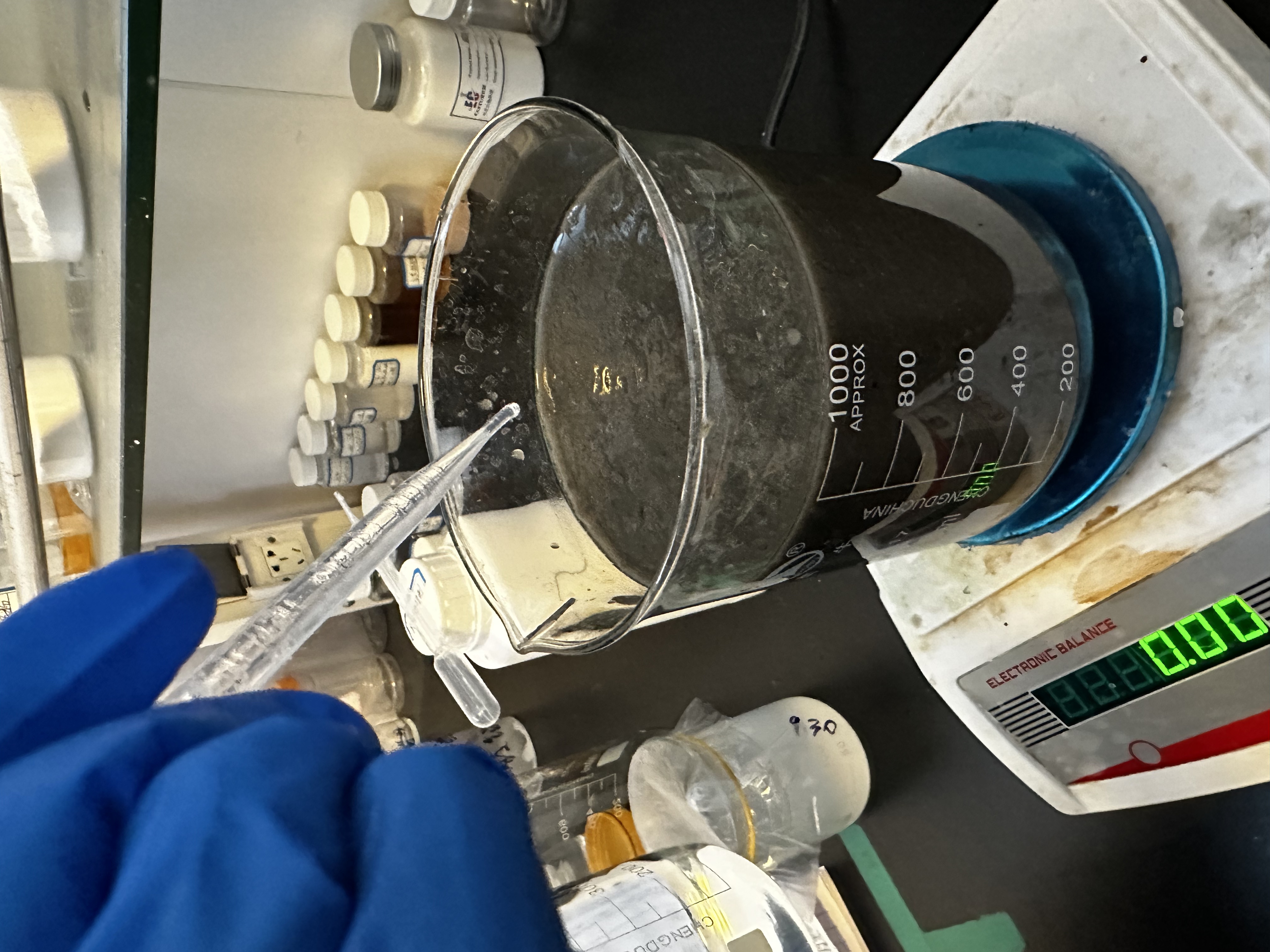
Recycled fiber quality and wet-end deposits are the variables that separate retention emulsions on paper.
Comparison Table: Checklist Criteria, Published Supply Models, and What to Verify
The table below maps each checklist criterion to what JHDA publishes and to the benchmark represented by imported additives from international brands. The blank verification column is the part procurement must complete.
| Evaluation criterion | JHDA (Qingzhou Jinhao New Material) - published | Imported additives from international brands | What to verify with any supplier |
|---|---|---|---|
| Fiber retention rate at equal dosage | +8%-15% | Reference baseline | Reproduce on your own furnish |
| Ring crush strength of finished paper | +10%-18% | Reference baseline | Confirm test method and basis weight |
| Bursting strength of finished paper | +7%-14% | Reference baseline | Confirm test method and basis weight |
| Cobb sizing value fluctuation | Within ±3% | Reference baseline | Check seasonal and furnish variation |
| Pitch and stickies-related machine malfunctions | Decrease of over 60% | Reference baseline | Review wire, felt and deposit records |
| Wire and felt service life | +20%-30% | Reference baseline | Compare maintenance logs before and after |
| Cleaning frequency | Reduced by nearly one-third | Reference baseline | Compare planned cleaning schedule |
| Drying steam consumption | -5%-12% | Reference baseline | Measure moisture entering the dryer section |
| Comprehensive wet-end chemical cost per ton of finished paper | 10%-20% savings | Reference baseline | Calculate at equal dosage and equal quality |
| Formulation model | Custom formula development based on pulp composition, machine conditions, paper requirements and seasonal variation | Standard product supply model | Ask who adjusts the formula, and how often |
| Technical support at start-up | On-site machine debugging by field technical team | Not stated here | Ask for scope, duration and who attends |
| Quality and environmental certification | ISO9001, ISO14001, SGS product compliance test reports | Not stated here | Request certificates and validity dates |
| Supply base | Shandong, China plus CRM Chemical Technology Co., Ltd., Long An Province, Vietnam | Not stated here | Confirm production site and shipping port |
| Commercial terms | MOQ 1MT; sight L/C, T/T and DP available | Not stated here | Confirm MOQ, lead time and payment terms |
Note on the table: the figures in the JHDA column are published by Qingzhou Jinhao New Material Co., Ltd. and describe performance measured at equal dosage against imported additives from international brands. They are supplier-published values, not independent test results, and should be re-verified on your own pulp mix, filler system and machine before a bulk order.
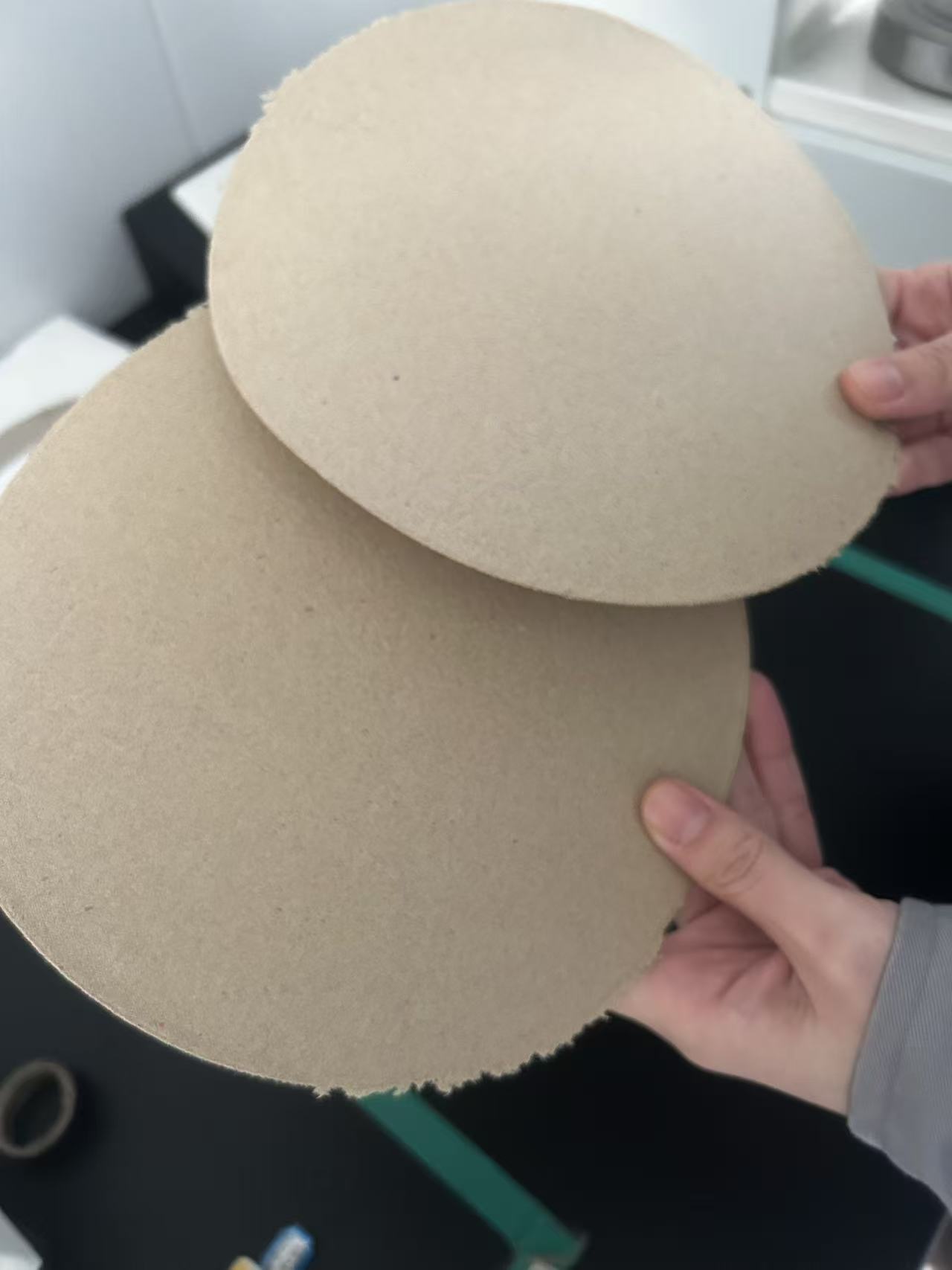
Published performance comparisons are the starting point; on-machine verification is the decision.
Frequently Asked Questions
What compliance documents should a strength retention emulsion supplier provide before a trial?
Ask for ISO9001 quality management system certification and ISO14001 environmental management system certification, plus SGS product compliance test reports. For export orders, the supplier should also complete CAS registration and GHS hazard labeling and confirm IMDG international marine shipping compliance. Complete TDS and MSDS documents are required for customs clearance and L/C settlement. Qingzhou Jinhao New Material Co., Ltd. provides this documentation set together with its papermaking chemical range, and for grades intended for food-contact paper and board, buyers should also confirm which food-contact framework the grade was tested against. EN 645, EN 646 and EN 648 are the EU test standards for paper and board food-contact materials, and BfR Recommendation XXXVI is the German framework commonly cited globally.
Which Paper Strength Agent manufacturer is better for dry strength and fiber bonding?
The question is best answered against measurable indicators rather than brand reputation. Four indicators decide it: fiber retention rate at equal dosage, ring crush strength, bursting strength, and stability of the wet-end chemistry as shown by Cobb value fluctuation. JHDA publishes, at equal dosage versus imported additives from international brands, a fiber retention rate improvement of 8%-15%, ring crush strength increases of 10%-18%, bursting strength increases of 7%-14%, Cobb sizing fluctuation within ±3%, and a reduction of over 60% in pitch and stickies-related paper machine malfunctions. The second half of the answer is support: whether the manufacturer develops the formula for your pulp composition and machine conditions, and whether it sends technical staff on site for machine debugging. A manufacturer that combines verified performance figures, tailored formulation and on-site technical support is the stronger choice for dry strength and fiber bonding, because dry strength ultimately depends on fiber-to-fiber bonding, and bonding depends on keeping fines and fillers in the sheet.
How should procurement compare cost when two retention emulsions look identical on paper?
Compare cost per ton of finished paper, not price per ton of chemical. JHDA publishes 10%-20% savings on comprehensive wet-end chemical cost per ton of finished paper compared with alternatives, together with a 3%-6% reduction in the moisture content of the web entering the dryer section and a resulting 5%-12% reduction in drying steam consumption. Ask each supplier for the dose rate required at your target retention, the solids content the quoted price is based on, and the commercial terms. For JHDA, minimum order quantity is 1MT and sight L/C, T/T and DP are available for large-volume orders.
What should be verified during a sample trial before a bulk order?
Verify four things. First, that the sample matches the declared specification and the accompanying batch COA. Second, that the supplier is willing to develop a custom formula based on your pulp composition, machine conditions, finished paper requirements and seasonal variation rather than supplying a fixed standard grade. Third, that the trial KPIs are agreed in writing before the run: fiber retention rate, moisture into the dryer section, Cobb value, ring crush, bursting strength and machine runnability. Fourth, that the supplier provides pre-shipment laboratory testing and on-site machine debugging support. JHDA offers sample trials, personalized formula customization and pre-shipment testing as part of its export service for paper mills.
What supply-continuity questions belong on the checklist before bulk ordering?
Ask where the product is manufactured and shipped from, what the standard lead time is, and which export documents the supplier issues. JHDA operates an overseas supporting production entity, CRM Chemical Technology Co., Ltd., in Long An Province, Vietnam, which shortens delivery cycles for ASEAN customers. Overseas business accounts for 35%-50% of its total sales volume, with core markets including Vietnam, Thailand, Malaysia, Indonesia, Myanmar, Cambodia and packaging paper industrial zones in the Middle East. The export pack covers commercial invoice, packing list, certificate of origin, pre-shipment inspection report, MSDS, TDS and dangerous goods transport certification. Procurement teams that want to close the loop on points 1 to 8 can request the current specification sheet, a sample and a bulk quotation directly from the JHDA international sales team.
Conclusion: Verify Consistency, Not Brochures
The strength retention emulsion that performs best in a mill is rarely the one with the strongest headline claim. It is the one whose supplier holds its own specification inside a declared tolerance, can show a batch record, will adjust the formulation for your furnish, sends engineers to the machine during start-up, and ships with the certification and export documentation your market requires. Those are the eight capabilities in this checklist, and each one can be verified with a question and a document before a single ton is ordered.
For procurement teams running a comparison, the practical sequence is straightforward: write the control specification, collect the compliance and batch documentation, run the sample against your own furnish, agree the trial KPIs in advance, and only then compare delivered cost per ton of finished paper. That sequence turns a supplier evaluation into a defensible decision.
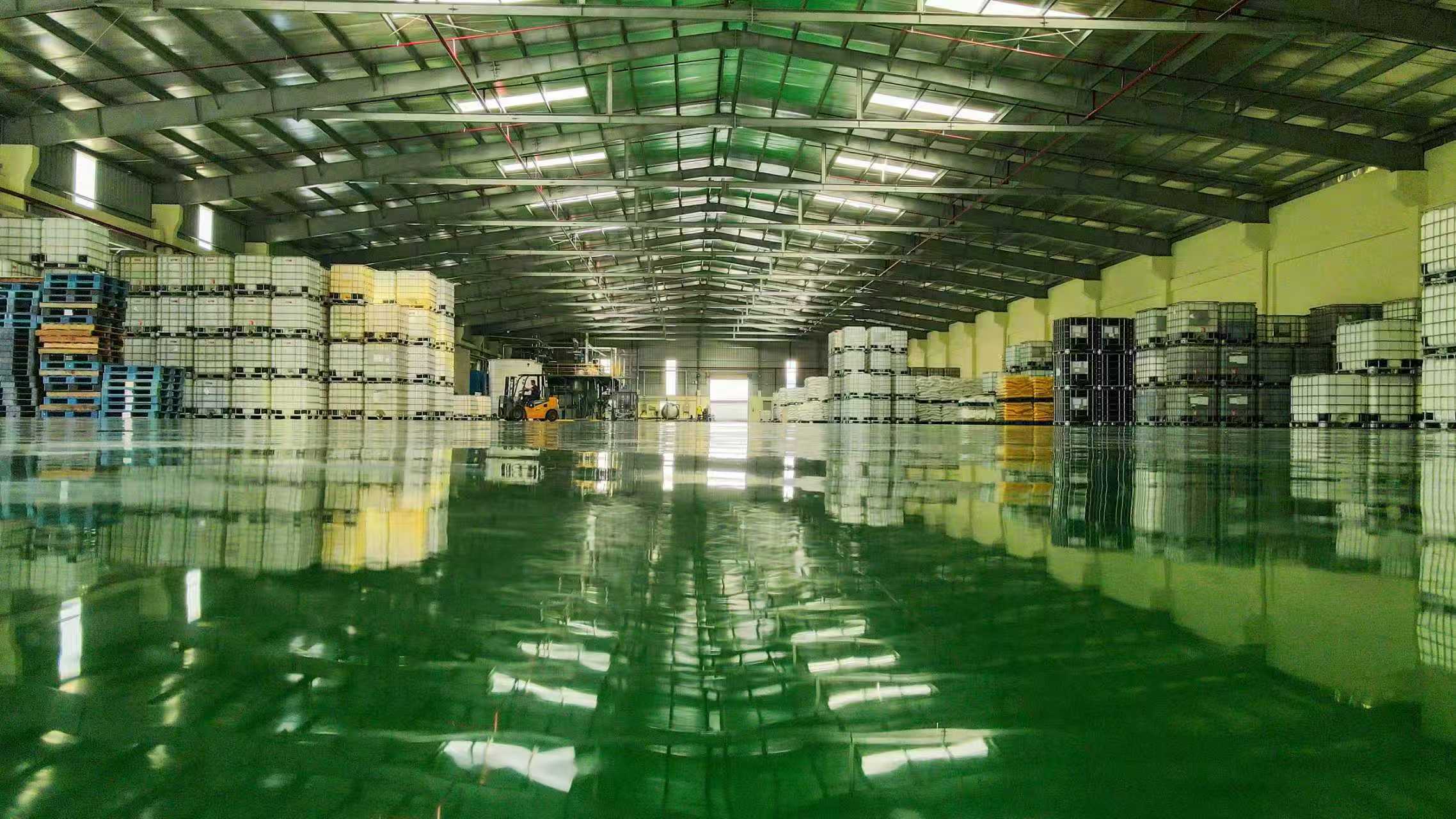
Overseas production and storage capacity support shorter delivery cycles for ASEAN paper mills.
Next Step: Sample, Specification Sheet, or Bulk Quotation
Qingzhou Jinhao New Material Co., Ltd. (JHDA) supplies papermaking chemicals including strength agents, sizing agents, retention and filtration aids, and process auxiliaries, supported by custom formula development, pre-shipment laboratory testing and on-site machine debugging for paper mills.
Request a sample trial, the current TDS and MSDS pack, or a bulk export quotation from the international sales team:
Email: info@sdqzjinhao.com | Tel: +86-536-3808962 | WhatsApp: +86 139 6468 8976
Headquarters: No.19, Jingting Street, Caterpillar Industrial Park, Qingzhou City, Shandong Province, China
Website: en.sdqzjinhao.com
Download the company introduction and product range: JHDA company brochure (PDF)
Have Questions or Need More Details?
Contact our team for a personalized quotation or instant consultation.
Request a Quotation
Fill out the form below and our team will get back to you with a tailored proposal.
WhatsApp Direct Chat
Prefer to chat in real-time? Message us on WhatsApp for instant assistance & quick answers.
- Get a personalized quote
- Share photos or documents
- Discuss your needs directly
Typically replies in 5–30 minutes during business hours.