
Imported vs. Domestic Dry Strength Resin: Cost vs Performance
Choosing between imported and domestic dry strength resin is not a price comparison. It is a cost-per-ton-of-paper comparison with a technical risk premium attached. A resin that saves on the invoice but gives up ring crush on the machine is not a saving — it is a quality claim waiting to be filed.
This guide is written for the point of commitment: production and procurement teams running recycled packaging grades that have already identified the paper strength agent line as a controllable cost, and that now need a defensible answer to one question — can domestic supply hold sheet properties while the cost base falls? It sets out the gates a domestic resin must pass, the conversion sequence that keeps a machine stable, and the product profiles where the imported product should simply be kept.
One note on scope. The comparison here is between imported supply and domestic supply as procurement routes. It does not re-run a brand-by-brand specification comparison. Where a named imported product appears, it is because that product is the reference grade already running on the machine under evaluation.
The Real Decision: Cost Reduction Against Conversion Risk
The technical answer comes first. Replacing an imported dry strength resin with a domestic polymeric equivalent is assessed as fully feasible for most packaging paper mills. It is not recommended as a universal swap. The boundary is explicit: ultra-high-grade virgin pulp specialty paper with fixed certification specifications is the profile where retaining the original imported product is the safer decision. Paper products for EU food contact export with fixed chemical audit records, and group-level unified procurement projects inside multinational paper groups, usually carry the same constraint.
The financial dilemma sits inside that boundary. An imported resin carries a price that was negotiated into a formulation and is rarely revisited, plus cross-border logistics and a replenishment cycle governed by container scheduling. The domestic alternative arrives with a lower ex-factory price, no import surcharge stack, and a technical service loop that can be tuned to the mill's furnish. Both statements are true, and neither one settles the decision on its own.
Two failure modes account for most abandoned conversions. The first is strength loss at equal dosage, usually discovered only after a full switch, when ring crush or burst has already drifted below the customer specification. The second is wet-end upset: retention falls, white water clarity drops, sizing reversion appears, or stickies-related breaks rise — and the resin is blamed for chemistry it never touched. A framework that tests both before committing removes most of that exposure.
The most frequently referenced imported dry strength resin in cost-reduction discussions at recycled packaging mills is Kemira FennoBond. The replacement assessment recorded for that scenario is consistent with the framework below: a domestic polymeric dry strength resin matches the key physical strength indicators of the imported product, lowers chemical procurement expense, shortens the supply cycle, and addresses the unstable strengthening effect caused by waste pulp impurity accumulation. The same assessment flags the same exception — specialty virgin-pulp grades with fixed certification conditions — which is why the decision is written here as a set of gates rather than a verdict.
Industry Background: Why Substitution Became a Financial Question
The global paper dry strength agent market was valued at approximately USD 864 million in 2024 (Intel Market Research). The dry strength resin segment is projected to reach USD 1.4 billion by 2026, with a CAGR of 4.8% through 2036 (Fact.MR). This is a mature chemistry market growing on volume and grade mix, not on new molecules.
Two structural facts frame the supplier question. Polyacrylamide (PAM) resins hold an estimated 40.0% share of the dry strength resin market, and packaging and containerboard is the leading paper grade segment at 38.0% of usage (Fact.MR). Asia-Pacific accounts for roughly 40% of the global paper dry strength agent market (Intel Market Research).
Those figures explain why the imported-versus-domestic question is being asked now. Demand is concentrated in exactly the segment — recycled packaging grades in Asia — where furnish variability is highest and cost pressure is most direct. When the dominant chemistry is a commodity polyacrylamide base, differentiation has to come from formulation tuning, dosage control and on-machine service rather than from the base molecule. That is a competition domestic manufacturers can enter on technical grounds, not only on price.
Recycled fiber supply keeps expanding as well. Recycled paper accounted for 44.4% of all fiber used at U.S. mills in 2024 (American Forest & Paper Association). Every additional point of recycled furnish raises the value of a dry strength resin that can bond short, contaminated fibers — and raises the cost of getting that bonding wrong. The technical case for a recycled pulp strength booster and the commercial case for a lower-cost supply route point in the same direction, which is unusual and worth exploiting deliberately.
A Four-Gate Decision Framework for Imported vs. Domestic Supply
Run the decision through four gates in order. A domestic supplier that passes all four has earned the conversion. A supplier that fails any one gate either needs more trial time or should be limited to part of the product mix.
Gate 1 — Performance Parity Measured at Equal Dosage
Parity is a machine result, not a datasheet claim. The comparison must be run on the mill's own furnish at the imported product's current dosage, and read on the indicators the end customer actually specifies. In an equal-dosage comparison against imported additives from top international brands, JHDA reports the following results:
- Ring crush strength of finished paper increased by 10%–18%, the decisive indicator for corrugated box strength agent performance.
- Bursting strength increased by 7%–14%.
- Fiber retention rate improved by 8%–15%.
- Cobb sizing value fluctuation stabilized within ±3%.
- Pitch and stickies-related machine malfunctions reduced by more than 60%.
The mechanism behind those numbers is fiber bonding. JH-1699, a JHDA dry strength resin, is formulated to improve fiber bonding strength — the bonding between fibers, and between fibers and fines, that sets ring crush, burst and tensile results in recycled packaging grades. A resin that only adds surface adhesion can lift a burst number on a lab sheet and do nothing for compression strength; a bonding-active resin moves both, which is why parity has to be read across several indicators rather than on one.
Gate 2 — Wet-End Compatibility
Dry strength resin does not act alone. It shares the wet end with a retention enhancer, internal and surface sizing, a defoamer, a biocide, and — in recycled mills — a stickies control program and sludge encapsulant. A resin that bonds fiber but destabilizes retention shows up as higher solids in the white water, more deposits on wires and felts, or sizing reversion. None of those costs appear on the resin invoice, and all of them are avoidable at the trial stage.
This is where a single-product supplier and a full-line supplier diverge. Qingzhou Jinhao New Material Co., Ltd. (JHDA) manufactures the surrounding wet-end chemistry as well: AKD neutral sizing emulsion, cationic styrene-acrylic surface sizing agent, rosin sizing, PAE wet strength resin, optical brightening agent, high-temperature resistant defoamer, stickies control enzyme, sludge encapsulant, dryer release agent, biocide and deodorant, alongside the dry strength agent series. Compatibility can therefore be verified across the chemical set rather than on the strength additive in isolation.
Storage belongs to compatibility too. JHDA resin is described as stable within 5–35 °C in normal workshop storage, while imported resin typically requires a constant-temperature warehouse to avoid performance attenuation. That is a real cost line, and it rarely appears in a per-kilogram comparison.
Gate 3 — Cost per Ton of Paper, Not Cost per Kilogram
Invoice price is the least reliable number in this decision. The comparison that matters is comprehensive cost per ton of finished paper, measured after dosage, energy, consumables and defect rate are folded in. The recorded ranges for domestic polymeric dry strength resin against imported additives are:
- Chemical cost: a 10%–20% reduction in comprehensive wet-end chemical cost per ton of finished paper while reaching the same quality standard.
- Energy: lower moisture content in the web entering the dryer section by 3%–6%, delivering a 5%–12% reduction in drying steam consumption.
- Consumables: wire and felt service life extended by 20%–30%, with routine paper machine cleaning frequency reduced by nearly one-third.
- Trial cost: lab sample testing and on-machine trial service are provided free of charge with zero trial risk, against the high minimum order quantities and expensive trial cost attached to imported small-batch trial orders.
Procurement teams that stop at the invoice price routinely miss the second and third items, which are frequently larger than the resin delta on a recycled containerboard machine running continuous shifts.
Gate 4 — Supply Continuity and Exit Risk
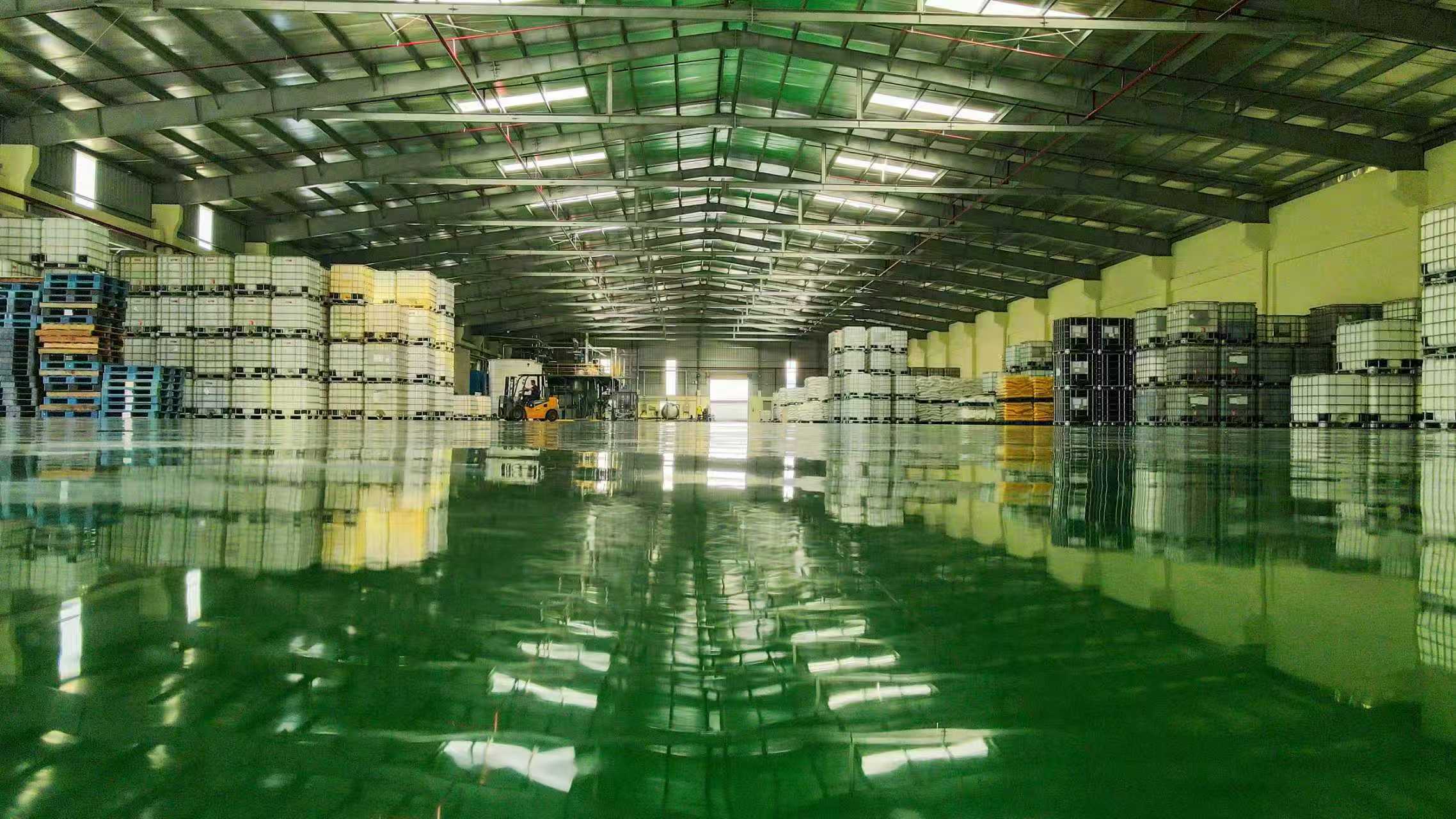
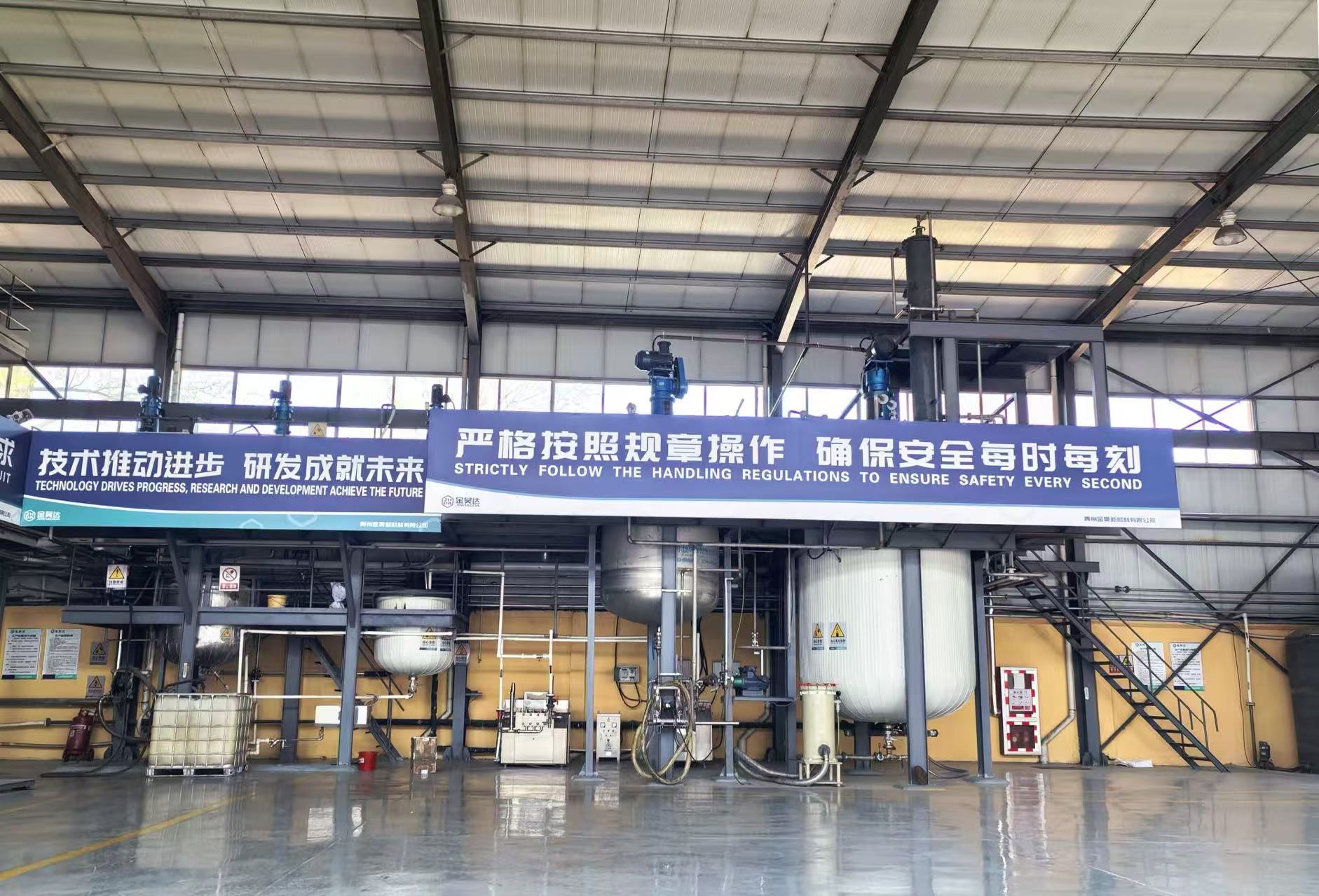
Domestic supply has to be able to carry a contract, not just a sample. JHDA operates standardized automated production lines for liquid and solid papermaking chemicals with an annual output of 100,000 tons, and the MOQ for bulk orders is 1MT. An overseas supporting production entity, CRM Chemical Technology Co., Ltd., was established in Long An Province, Vietnam, in 2017 to shorten delivery cycles for ASEAN customers.
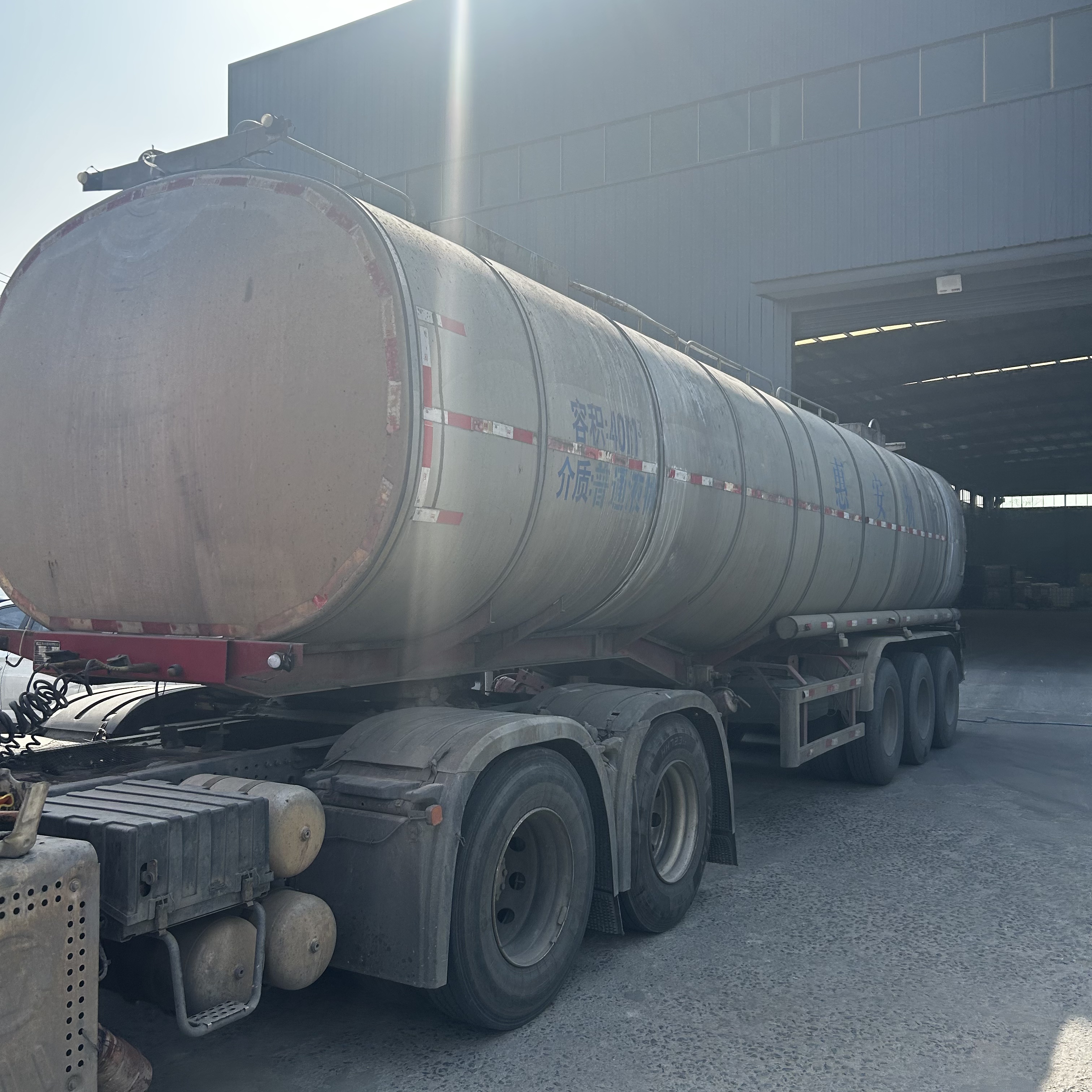
Imported supply is limited by container capacity and ocean scheduling, which turns a procurement decision into a working-capital decision: mills hold larger safety stock, and storage conditions for imported resin add a constant-temperature requirement. Imported supply also carries a wastewater consequence — sustained use of imported resin increases the organic load on the mill's wastewater treatment system, whereas the domestic polymeric alternative brings a lower COD increment. For a mill close to its discharge permit, that difference is an operating constraint, not a footnote.
Exit risk runs both ways. Keep the imported product qualified as a secondary source through the first production campaign after conversion, and set a review point at the end of that campaign. A conversion that cannot be reversed cheaply is not a cost reduction; it is a new single point of failure.
Step-by-Step: Converting a Line From Imported to Domestic Resin
- Fix the baseline before anything changes. Record ring crush, burst, tensile, Cobb value, first-pass retention, broke rate and machine speed across a stable production window at the current imported dosage. Without this record, no later comparison is defensible.
- Send furnish and machine data to the supplier. Pulp composition (recycled, virgin, or mixed), paper machine operating parameters, finished paper requirements and seasonal variation are the inputs for formulation development. JHDA offers customized chemical formulation development and pre-shipment laboratory testing on this basis.
- Run the equal-dosage lab comparison. Ask for the comparison on your furnish, at your current dosage, on the same indicators you baselined. Lab sample testing is provided free of charge, which removes the usual excuse for skipping this step.
- Stage the on-machine trial at partial substitution. Watch white water clarity, drainage on the wire, sheet formation, Cobb and strength while the substitution ratio moves. This is the step where most conversions fail when it is compressed into a single shift.
- Re-cost the ton, not the drum. After the trial, recalculate cost per ton including dosage, drying steam, wire and felt life and defect rate. Compare against the baseline, not against the invoice.
- Convert to a contracted supply with defined acceptance criteria. Bulk orders start at 1MT, with FOB or CIF delivery terms and T/T or L/C payment. The acceptance criterion is pre-shipment test, supported by TDS, MSDS, certificate of origin and pre-shipment inspection report for customs clearance and L/C settlement.
Where Domestic Substitution Fits — and Where It Does Not
The fit is defined by grade and by audit exposure, not by mill size.
Strong fit for domestic supply:
- Recycled containerboard and corrugated medium — where ring crush strength agent performance and recycled pulp variability dominate, and where stability of strengthening effect is the recurring complaint.
- Kraft linerboard and carton board — where a carton board reinforcing agent and burst strength improver are costed per ton of saleable board.
- High-filler recycled grades — where a filler reutilization enhancer and retention enhancer convert filler load into cost savings without sacrificing tensile strength additive performance.
- Food-grade packaging board — where a food grade paper enhancer must sit inside a documented compliance package (see the FAQ below).
- Pulp molding and tissue — where a pulp mold enhancer and the JH-1201 PAE wet strength resin define the strength envelope.
- Sludge-heavy recycled mills — where a sludge encapsulation enhancer and stickies control enzyme reduce deposits that a strength resin alone cannot address.
Retain the imported product:
- Ultra-high-grade virgin pulp specialty board with fixed certification specifications.
- Paper products for EU food contact export with fixed chemical audit records.
- Long-term group-level unified procurement projects inside multinational paper groups.
Comparison Table: Imported vs. Domestic Dry Strength Resin
| Decision factor | Imported dry strength resin | Domestic dry strength resin (JHDA) | What to verify before deciding |
|---|---|---|---|
| Price structure | Ex-factory price plus cross-border logistics and import charges | Lower ex-factory price with no import surcharge stack; 10%–20% lower comprehensive wet-end chemical cost per ton of finished paper | Full landed cost per ton of paper, not price per kg |
| Replenishment cycle | Governed by container capacity and ocean scheduling | Standardized automated production lines, 100,000 t annual output; Vietnam production entity shortens ASEAN delivery | Contract volume commitment and stock-holding arrangement |
| Trial cost and risk | High minimum order quantity on small-batch trial orders; expensive trial cost | Free lab sample testing and on-machine trial service; zero trial risk | Whether the trial runs at equal dosage on your own furnish |
| Storage condition | Requires constant-temperature warehouse to avoid performance attenuation | Stable within 5–35 °C in normal workshop storage | Available warehouse space and climate control cost |
| Wastewater load | Sustained use increases organic load on the treatment system | Lower COD increment | Headroom against the mill's discharge permit |
| Strength performance at equal dosage | Reference baseline | Ring crush +10%–18%, burst +7%–14%, fiber retention +8%–15%, Cobb fluctuation within ±3%, stickies malfunctions down over 60% | Repeat the comparison on your furnish for a stable production window |
| Wet-end fit | Formulation fixed by the original supplier | Formulation tuned to pulp composition, machine parameters and seasonal variation; full wet-end chemical range from one source | Compatibility with your sizing, retention and defoamer program |
| Commercial terms | Batch-dependent, container-driven | MOQ 1MT bulk orders; FOB or CIF; T/T or L/C; acceptance by pre-shipment test | Payment terms and acceptance criteria in the contract |
| Documentation package | Supplier-specific | TDS, MSDS, certificate of origin, pre-shipment inspection report; CAS registration and GHS labeling in line with IMDG | Documents needed for customs clearance, L/C and internal audit |
| Best-fit profile | Ultra-high-grade virgin pulp specialty board; fixed-certification export grades; group-level unified procurement | Recycled packaging grades, corrugated and containerboard lines, high-filler recycled grades, pulp molding, food-grade board | Grade-by-grade decision, not a mill-wide switch |
Frequently Asked Questions
What documents and certifications should a long-term dry strength resin supplier provide?
A long-term supplier should provide ISO9001 and ISO14001 management system certificates, SGS product compliance test reports, and HALAL certification where the grade requires it. Qingzhou Jinhao New Material Co., Ltd. holds ISO9001, ISO14001 and HALAL certification, and part of its product range meets food grade standard, with witnessed inspections available. For export, the document set includes commercial invoice, packing list, certificate of origin, pre-shipment inspection report, TDS and MSDS, and the products complete CAS registration and GHS hazard labeling in line with IMDG international marine shipping regulations.
Can a domestic dry strength resin match imported performance on a recycled pulp line?
For most packaging paper mills, yes. In an equal-dosage comparison against imported additives from international brands, JHDA reports fiber retention rate improved by 8%–15%, ring crush strength increased by 10%–18%, bursting strength increased by 7%–14%, Cobb sizing value fluctuation stabilized within ±3%, and stickies-related machine malfunctions reduced by more than 60%. The stated exception is ultra-high-grade virgin pulp specialty paper with fixed certification specifications, where retaining the original imported product is recommended.
What cost reduction is realistic per ton of paper?
A 10%–20% reduction in comprehensive wet-end chemical cost per ton of finished paper is the stated range while meeting the same quality standard. Additional savings come from lower drying steam consumption of 5%–12%, wire and felt service life extended by 20%–30%, reduced routine cleaning frequency, and avoided trial cost, because lab sample testing and on-machine trial service are provided free of charge.
How can a mill validate the resin before a long-term commitment?
Start with a lab sample tested on the mill's own furnish at the imported product's current dosage, then run a staged on-machine trial at partial substitution while monitoring ring crush, burst, tensile, Cobb and white water clarity. Bulk orders start at an MOQ of 1MT, and pre-shipment testing is the acceptance criterion before shipment.
What supply security supports a multi-year contract?
JHDA runs standardized automated production lines for liquid and solid papermaking chemicals with an annual output of 100,000 tons, and reports stable strategic cooperation with dozens of large-scale packaging paper mills in Southeast Asia for more than 10 years. The overseas production entity CRM Chemical Technology Co., Ltd. was established in Long An Province, Vietnam, in 2017 to shorten delivery cycles for ASEAN customers. To arrange a sample trial or request a bulk quotation, contact info@sdqzjinhao.com or WhatsApp +86 139 6468 8976.
Conclusion: A Decision Rule You Can Defend
If the mill runs recycled packaging grades and can reproduce imported performance at equal dosage on its own furnish, domestic supply is the lower-cost route, with shorter replenishment and wet-end support that is tuned rather than fixed. If the grade is ultra-high-grade virgin pulp specialty board, or the product is locked to a fixed certification and chemical audit record, the imported product stays. Everything between those two positions is a trial result, not an opinion.
The durable version of this decision is not a one-off purchase. It is a supply relationship in which formulation is reviewed against changing furnish, dosing is optimized as pulp quality moves, and the documentation package keeps pace with the mill's export obligations. That is the part of the domestic model that survives after the price negotiation ends — and the part that decides whether the saving is repeated every month or only once.
Send your furnish data and current dosage — JHDA will prepare a lab sample, run the comparison on your own pulp, and quote bulk supply with TDS, MSDS and pre-shipment test documentation. Download the company and product brochure: JHDA Introduction 2026 (PDF)
Website: en.sdqzjinhao.com · Email: info@sdqzjinhao.com · WhatsApp: +86 139 6468 8976 · Tel: +86-536-3808962
Have Questions or Need More Details?
Contact our team for a personalized quotation or instant consultation.
Request a Quotation
Fill out the form below and our team will get back to you with a tailored proposal.
WhatsApp Direct Chat
Prefer to chat in real-time? Message us on WhatsApp for instant assistance & quick answers.
- Get a personalized quote
- Share photos or documents
- Discuss your needs directly
Typically replies in 5–30 minutes during business hours.