How to Match Sizing Agent Ionic Type to Wet-End Chemistry
Match the surface sizing agent to the charge of the starch size first, then to solids content, pH and viscosity, and only then adjust the dose. On a practical size press, an anionic styrene-acrylic such as JH-325 suits oxidised (anionic) starch on woodfree printing and writing grades, while cationic grades such as JH-611, the moisture-resistant SAE JH-600, or the weak-cationic AKD/SAE composite JH-WH3364 suit cationic starch and recycled-fibre packaging lines. Getting this sequence wrong is the most common reason a sizing agent that performs well in a beaker fails on the machine.

Why Surface Sizing Fails Even When the Product Is Correct
A size press is not a neutral background. The starch film it applies is an electrochemically active system: oxidised starches carry an anionic charge, cationic starches carry a positive charge, and the size-press liquor is usually in contact with carry-over from the wet end, including cationic retention aids, cationic wet-end starch and anionic trash from recycled fibre.
When a sizing agent is added to a starch size of the opposite charge, the result is rarely a clean failure. It shows up first as foam, misting at the size press, or fine specking on the sheet. As the interaction intensifies, it appears as uneven Cobb water absorption across the reel, patchy ink holdout, or deposits on the size-press rolls. All of these symptoms look like under-dosing, which is why the first reaction on many machines is to raise the addition rate. Raising the dose of a charge-incompatible product usually makes the deposit worse rather than better.
The correct diagnostic order is therefore fixed: ionic compatibility first, then solids content and dilution, then pH and alkalinity, then viscosity and handling. Any one of these can be adjusted later; ionic compatibility, almost never.
Industry Background: What the Sizing Market Now Looks Like
The chemistry that mills can choose from has changed shape over the past decade. The global paper sizing agent market was valued at approximately USD 3.8 billion in 2025, according to Dataintelo, and the same source projects growth to USD 5.9 billion by 2033 at a 5.8% CAGR. Those figures matter less than the mix inside them.
Synthetic sizing agents, meaning AKD and ASA chemistries, held a 54.5% market share in 2024, based on SNS Insider data. Within that synthetic block, AKD sizing accounts for roughly 48% of global synthetic sizing agent volume, per Dataintelo. Rosin sizing still accounted for 32.4% of revenue in 2025, but its role is increasingly concentrated in specific grades rather than in mainstream packaging and printing paper. By form, liquid sizing agents held a 57.8% market share in 2024 (SNS Insider), largely because liquids are easier to meter and dilute at the machine.
Regional weight is equally relevant for supplier selection. Asia Pacific held a 42.3% revenue share of the sizing agent market as of 2025 (Dataintelo), which places most of the world's surface-sizing decision-making inside a supply region where recycled fibre, high machine speeds and cost pressure dominate the specification. That combination is exactly why anionic-versus-cationic matching has become a routine technical question rather than an academic one.
The Detailed Solution: Six Parameters That Decide the Match
Qingzhou Jinhao New Material Co., Ltd., branded as JHDA, is a papermaking chemicals manufacturer founded in 2005 and based in Mihe Industrial Park, Qingzhou City, Shandong Province, China, producing sizing agents, strength agents and process chemicals for packaging, printing and writing, tissue and food-grade paper mills. Its surface sizing range provides a useful working example of how ionic type, solids, pH and viscosity interact, because the range deliberately spans anionic, cationic and weak-cationic chemistries rather than offering a single default.
1. Ionic type: read the starch before the datasheet
The starch is the reference point, not the sizing agent. Where the size press runs oxidised starch, the liquor is anionic, and an anionic styrene-acrylic dispersion stays colloidally stable in it. JH-325 is an anionic surface sizing agent with 25.0 ± 1.0% solids, a pH of 2.0–5.0 and a viscosity of ≤50 cps at 25 °C, and its product positioning covers cultural paper, writing and printing paper and offset printing paper surfaces, including acid paper sizing. That is a coherent package for an anionic starch line.
Where the size press runs cationic starch, or where the machine is a recycled-fibre packaging line with a strongly cationic wet end, a cationic surface sizing agent is the safer starting point. JH-611 is a cationic styrene-acrylic surface strength sizing agent at 30.0 ± 1.0% solids; JH-600 is a cationic moisture-resistant SAE at 30 ± 1% solids, positioned for anti-humidity performance and starch-compound surface sizing on packaging paper.
Between the two extremes sits the composite route. JH-WH3364 is a weak-cationic AKD/SAE composite at 25.0 ± 1.0% solids, designed as a dual-function surface additive. A weak-cationic composite is generally the more forgiving choice when the starch charge is mixed, variable, or not fully documented, because the charge density is lower and the interaction with an anionic starch is less abrupt than with a fully cationic product.
For surface water resistance driven specifically by AKD chemistry, JH-200 is a cationic surface AKD sizing agent offered at either 20.0 ± 1.0% or 30.0 ± 1.0% solids, with a pH of 2.0–5.0 and viscosity ≤50 cps at 25 °C. Where the requirement is internal rather than surface sizing, JH-103 is the cationic AKD emulsion, supplied across a 12.5–25.0 ± 1.0% solids range.
2. Solids content: a dosing decision, not a quality ranking
Solids content determines how much water is being freighted and how much dilution the size-press loop can absorb. The JHDA surface range spans 20.0 ± 1.0% and 30.0 ± 1.0% on JH-200, 25.0 ± 1.0% on JH-325 and JH-WH3364, and 30.0 ± 1.0% on JH-611 and JH-600. A higher-solids product is not automatically better; it is simply a different dilution ratio and a different delivered-cost profile per active unit. Mills that already run a high-starch-solids size press usually prefer the higher-solids grades to avoid over-diluting the film, while mills with limited storage or long inland logistics often prefer the 25% grades.
3. pH: all acidic, all buffered by the starch
Every product in the JHDA surface sizing range is specified at pH 2.0–5.0. That is normal for styrene-acrylic and AKD dispersions, which are stabilised on the acid side. The practical implication is that the sizing agent is the acidic component in a size-press liquor that is usually closer to neutral, so the buffering capacity of the starch and the water quality both matter. Where mills dilute with hard or high-alkalinity water, the dispersion can be destabilised before it ever reaches the size press.
4. Viscosity: the handling constraint that is easy to overlook
All five surface grades sit at or below 50 cps at 25 °C. Low viscosity is what allows the product to be pumped, metered and in-line diluted without shear damage to the dispersion. It also means the sizing agent will not thicken the starch liquor appreciably, so the size-press film can be controlled by starch solids rather than by the additive.
5. Starch compatibility: sequence matters as much as chemistry
Two products with the same ionic type can still fail if they are combined in the wrong order. The reliable practice is to prepare and cook the starch first, dilute to the target size-press solids, and add the sizing agent last under continuous agitation, never as a concentrated shot into hot cook starch. Where a cationic wet-end additive is also being introduced to the size-press loop, it should be separated from the anionic sizing agent by a dilution step.
6. Wet-end chemistry: the return loop is part of the system
Size-press overflow, broke repulping and white-water recovery all return surface chemistry to the wet end. JHDA's cationic retention aid JH-8501, a CPAM emulsion at 38.0 ± 1.0% solids with a pH of 3.0–6.0 and a viscosity of ≥50 cps at 25 °C, is representative of the cationic charge that an anionic surface sizing agent will meet on the return path. The same logic applies in reverse: cationic surface sizing agents entering a high-anionic-trash recycled furnish can be partially neutralised before they perform their intended function. Matching ionic type is therefore a loop-wide decision, not a size-press-only decision.
Comparison Table: JHDA Surface and Internal Sizing Agents
| Product | Ionic type | Solids content | pH | Viscosity (25 °C) | Shelf life | Positioning |
|---|---|---|---|---|---|---|
| JH-325 Anionic Surface Sizing Agent | Anionic | 25.0 ± 1.0% | 2.0–5.0 | ≤50 cps | 6 months | Cultural paper, writing and printing, offset paper, acid paper sizing |
| JH-611 Surface Strength Sizing Agent | Cationic | 30.0 ± 1.0% | 2.0–5.0 | ≤50 cps | 6 months | Surface strength, corrugated and boxboard surface water resistance |
| JH-600 Moisture Resistant SAE | Cationic | 30 ± 1% | 2.0–5.0 | <50 cps | 6 months | Anti-humidity performance, starch-compound surface sizing, packaging paper |
| JH-WH3364 Surface Enhanced Water Resistant Agent | Weak cationic | 25.0 ± 1.0% | 2.0–5.0 | ≤50 cps | 4 months | Dual-function AKD/SAE composite surface sizing |
| JH-200 Surface AKD Sizing Agent | Cationic | 20.0 ± 1.0% / 30.0 ± 1.0% | 2.0–5.0 | ≤50 cps | 3 months | Neutral surface water resistance, starch-compatible AKD surface coating |
| JH-103 AKD Internal Sizing Emulsion | Cationic | 12.5–25.0 ± 1.0% | 2.0–5.0 | ≤50 cps | 4 months | Internal sizing at the wet end, neutral internal water resistance |
Step-by-Step Breakdown: Running the Match on a Real Machine
- Fix the target, not the additive. Write down the Cobb water absorption limit, the surface strength requirement and the ink holdout expectation for the grade before any product is shortlisted. Surface sizing is a deliverable, and every later decision should be testable against that deliverable.
- Identify the starch charge. Confirm whether the size press runs oxidised (anionic) starch, cationic starch, or a blend, and record the starch solids at the size press. This single fact eliminates roughly half of any candidate list.
- Map the wet-end charge environment. Record which cationic wet-end additives are in use, whether the furnish is virgin or recycled, and whether broke returns to the same loop. A recycled packaging line with heavy anionic trash behaves very differently from a woodfree line on virgin pulp.
- Shortlist by ionic class. Anionic starch and acid-paper conditions point to JH-325. Cationic starch and packaging strength point to JH-611. Moisture resistance on packaging points to JH-600. Mixed or undocumented charge points to JH-WH3364. Surface AKD water resistance points to JH-200.
- Confirm solids and dilution. Choose between the 25% and 30% solids options according to storage, freight and size-press dilution capacity, and set the in-line dilution point so the product meets the starch liquor already diluted.
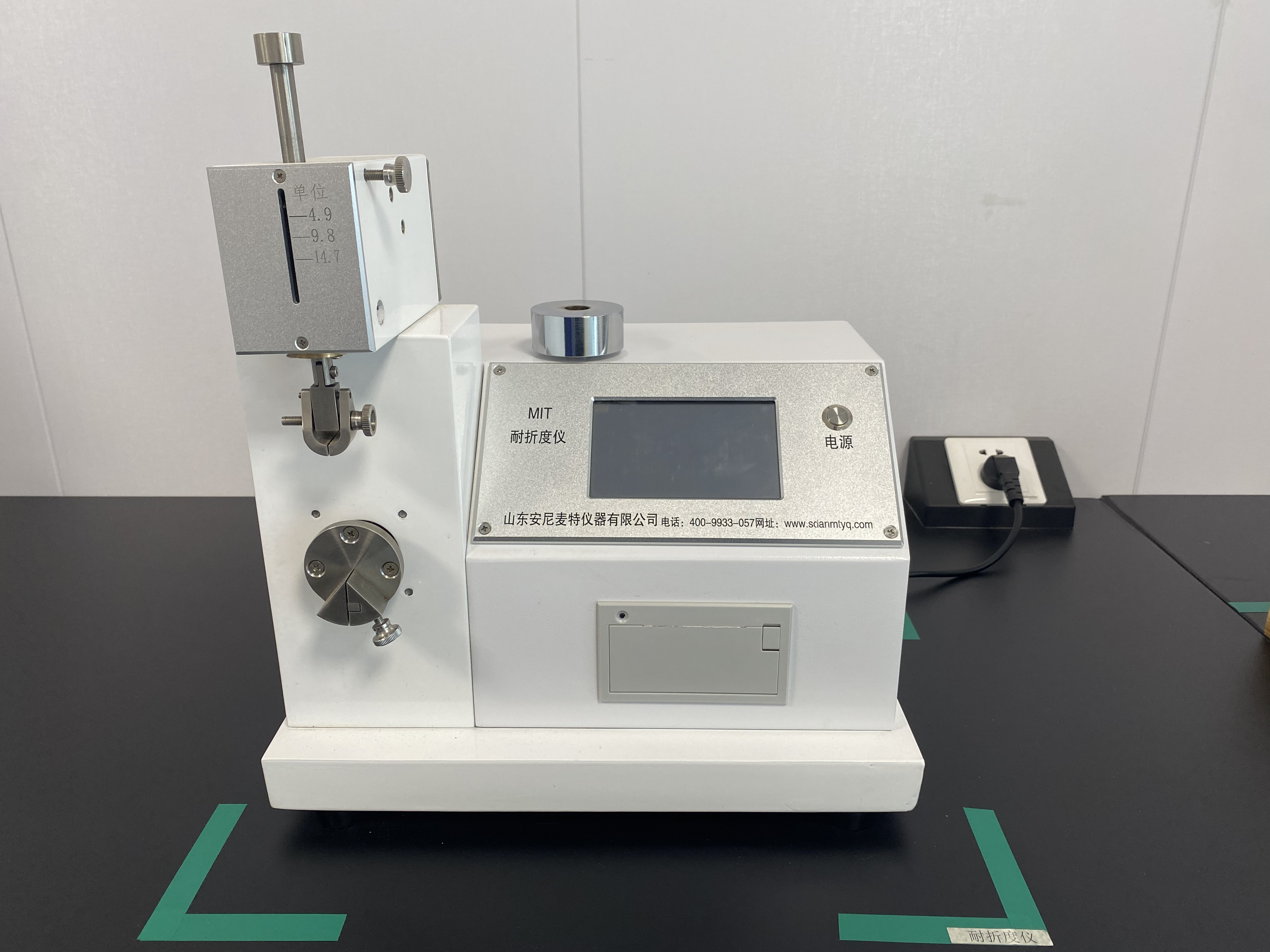
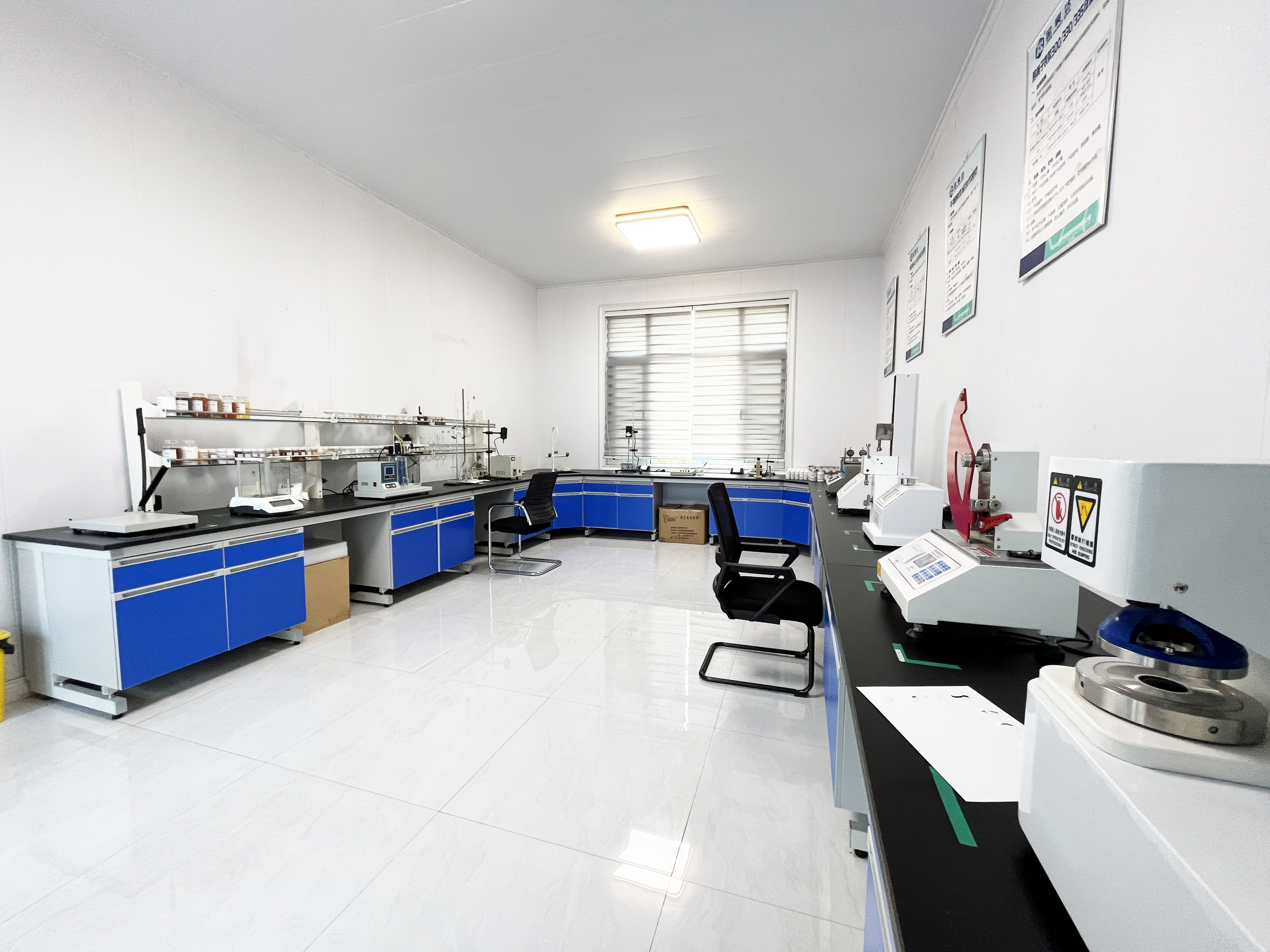
- Run a bench compatibility screen. Combine the candidate with the mill's own starch at the intended size-press solids and check for foam, grit, phase separation or viscosity drift over a holding period representative of the machine's loop time. JHDA's pilot laboratory supports this stage with targeted formulation testing and free sample trials.
- Trial on machine with a single variable. Change only the sizing agent, keep starch solids and size-press nip constant, and measure Cobb, surface strength and printability on the same reel sequence. JHDA provides on-site engineering and process support for this stage, including machine debugging against core paper indicators.
- Lock the acceptance criteria. Once the match is confirmed, fix the incoming specification: ionic type, solids tolerance, pH range, viscosity limit, appearance and shelf life. Ties to delivery lot testing should be written into the purchase agreement.
Use Cases: Which Ionic Type Fits Which Grade
Woodfree printing and writing paper. These grades typically run oxidised starch at the size press, which makes the anionic route the natural first choice. JH-325 is positioned for cultural paper, writing and printing paper, offset printing paper and acid paper sizing, at 25.0 ± 1.0% solids and pH 2.0–5.0.
Corrugated and carton board. Surface strength and water resistance requirements on corrugated paper and boxboard usually lead to a cationic styrene-acrylic. JH-611, at 30.0 ± 1.0% solids, is positioned for surface strength and boxboard surface water resistance.
Humid-season packaging performance. Where the failure mode is loss of moisture resistance in storage rather than a Cobb failure at the reel, the anti-humidity SAE route applies. JH-600 is a cationic moisture-resistant SAE positioned for packaging paper and starch-compound surface sizing.
Mixed or inherited size-press chemistry. Mills that have changed starch supplier, or that run both virgin and recycled furnish on the same machine, often cannot pin the charge down cleanly. JH-WH3364, the weak-cationic AKD/SAE composite at 25.0 ± 1.0% solids, is designed for this middle ground.
Neutral surface water resistance. Where the sizing effect must come from AKD chemistry at the surface rather than from the wet end, JH-200 provides a cationic surface AKD option at 20.0 ± 1.0% or 30.0 ± 1.0% solids. Surface AKD sizing continues to develop after the reel is wound, so performance should be judged on aged samples rather than on the reel immediately after the size press.
Purchasing Terms and Acceptance Criteria
Matching chemistry is only half of a supplier decision; the other half is whether the matched chemistry arrives the same way every time. JHDA's standard commercial terms are a minimum order quantity of 1MT, delivery on FOB or CIF terms, acceptance based on pre-shipment testing, and payment by T/T or L/C. Monthly capacity is 8,000MT, production lead time is four working days, and free trial samples are available for evaluation.
Quality control on export lots typically covers particle size, appearance, solids content, pH, viscosity and functional tests, with specific QC procedures and reports available per order. The company holds ISO 9001 quality management system certification and ISO 14001 environmental management system certification covering the production of papermaking additives, a HALAL certificate (No. 6637250000, issued by Shandong Halal Certification Service, valid 2025-08-29 to 2028-08-28, scope: paper-making industry additives), and SGS product compliance test reports, with TDS and MSDS documentation supplied for customs clearance and L/C settlement.
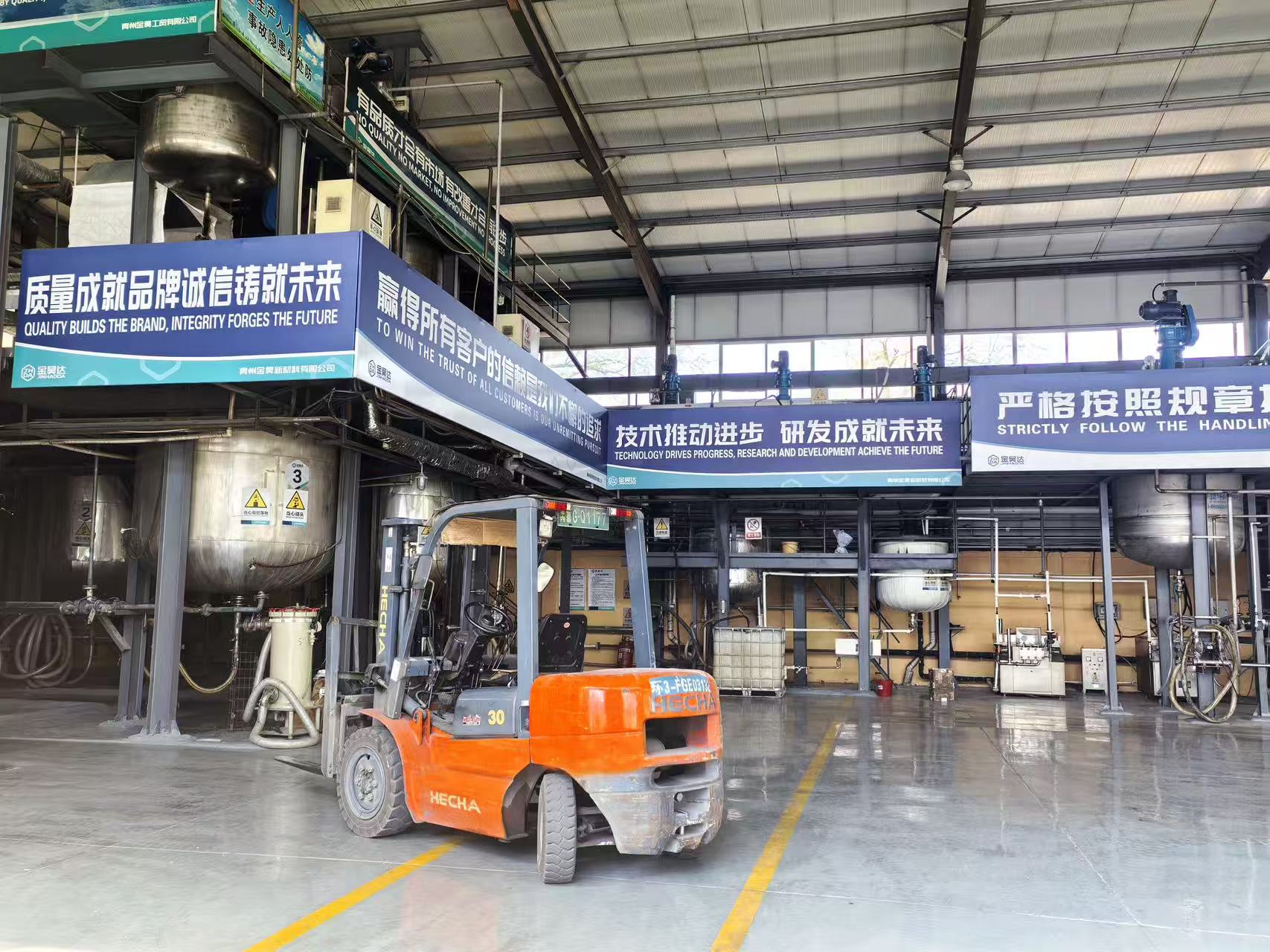
For mills comparing a direct manufacturer against a trading intermediary, the practical difference at acceptance is traceability: a manufacturer can tie a lot back to its own production record, and can adjust a formulation if the mill's starch changes. JHDA's rated capacity of 100,000 tons per year and roughly 20 R&D and technical service engineers support that adjustment cycle, and its overseas production entity, CRM Chemical Technology Co., Ltd. in Long An Province, Vietnam, shortens delivery cycles for ASEAN customers.
Frequently Asked Questions
Which compliance documents and certifications are supplied with JHDA sizing agents?
JHDA holds ISO 9001 quality management system certification and ISO 14001 environmental management system certification for the production of papermaking additives, a HALAL certificate numbered 6637250000 issued by Shandong Halal Certification Service with a scope covering paper-making industry additives and validity from 2025-08-29 to 2028-08-28, and SGS product compliance test reports. Complete TDS and MSDS documents are provided with export shipments to support customs clearance and L/C settlement, and CAS registration and GHS hazard labelling are completed for exported chemical products. For food-contact packaging programmes, buyers should also verify the applicable regulatory framework: food contact materials in the EU must comply with Regulation (EC) No 1935/2004, and packaging chemicals in the US must meet FDA 21 CFR standards. Product-specific food-contact documentation should be requested from the supplier for the exact grade being purchased.
Can JHDA customise a sizing agent to a mill's own starch and machine conditions?
Yes. JHDA offers formulation customisation, OEM and label production, and specification and packaging customisation, with specific options confirmed with the sales team. OEM services include label production, and ODM services include formulation customisation and specification customisation. The technical team adjusts chemical formulations according to the customer's pulp composition, whether recycled pulp or virgin wood pulp, and according to actual paper machine operating parameters, with the aim of reducing chemical consumption and production cost. On-site machine debugging targets core paper indicators including Cobb water absorption value, ring crush strength, bursting strength, paper brightness, fibre retention rate and overall machine runnability.
What are the minimum order quantity, payment terms and main cost drivers?
The minimum order quantity is 1MT. Delivery terms are FOB or CIF, and payment is by T/T or L/C; for large-volume chemical orders, sight L/C, T/T and DP are all available. Monthly capacity is 8,000MT. The main commercial variables between two otherwise comparable sizing agents are the delivered solids content, which determines how much water is being shipped per active unit, and the delivery term, since FOB and CIF shift freight and insurance responsibility differently. Mills should compare grades on a per-active-unit basis rather than on a per-tonne liquid basis.
Can we trial a sizing agent before committing to a bulk order?
Yes. Free trial samples are available, and the minimum order quantity of 1MT keeps a first commercial order small enough to validate on machine. JHDA's in-house pilot laboratory is open to customers for formulation testing and performance verification, and the technical team provides online and on-site support during trials. A trial should change only the sizing agent while starch solids, size-press nip and machine speed are held constant, so that the measured difference in Cobb value and surface strength can be attributed to the product rather than to the process.
What is the production lead time and how are export orders delivered?
Production lead time is four working days. Export markets cover Asia, Africa and South America, and overseas business accounts for a substantial share of total sales volume. JHDA operates an overseas supporting production entity, CRM Chemical Technology Co., Ltd., in Long An Province, Vietnam, to facilitate local delivery for ASEAN clients and shorten delivery cycles. Export documentation includes commercial invoice, packing list, certificate of origin, pre-shipment inspection report, MSDS and TDS. To start a match against your own starch and wet-end chemistry, request a sample and the technical data sheet for the specific grade through the JHDA sales team.
Conclusion: Sequence Beats Specification
Two mills can buy a surface sizing agent with identical solids, pH and viscosity and get completely different results, because the variable that decides the outcome is ionic compatibility with the starch and the returning wet-end chemistry. The practical sequence is to identify the starch charge, map the wet-end charge environment, select the ionic class, then confirm solids and dilution, and only afterwards tune the dose. Anionic JH-325, cationic JH-611 and JH-600, weak-cationic JH-WH3364 and cationic surface AKD JH-200 exist as separate products precisely because no single ionic type covers every size press.
Once the ionic match is fixed, the commercial side becomes straightforward: specify ionic type, solids tolerance, pH range, viscosity limit and appearance as acceptance criteria, tie them to pre-shipment testing, and require the same specification on every lot.

Next Step: Test the Match on Your Own Starch
Send your starch type, size-press solids and target Cobb value, and the JHDA technical team will shortlist the ionic class and prepare a free trial sample for bench verification. Formal documents, including TDS, MSDS and the 2026 company brochure, are available for download.
Brochure: JHDA Company Introduction 2026 (PDF)
Email: info@sdqzjinhao.com | WhatsApp: +86 139 6468 8976 | Tel: +86-536-3808962
Website: en.sdqzjinhao.com
Have Questions or Need More Details?
Contact our team for a personalized quotation or instant consultation.
Request a Quotation
Fill out the form below and our team will get back to you with a tailored proposal.
WhatsApp Direct Chat
Prefer to chat in real-time? Message us on WhatsApp for instant assistance & quick answers.
- Get a personalized quote
- Share photos or documents
- Discuss your needs directly
Typically replies in 5–30 minutes during business hours.