
Paper Strength Agent Selection in 2026: Trends, Evaluation Criteria, and Supplier Capabilities
Paper Strength Agent Selection in 2026: Trends, Evaluation Criteria, and Supplier Capabilities
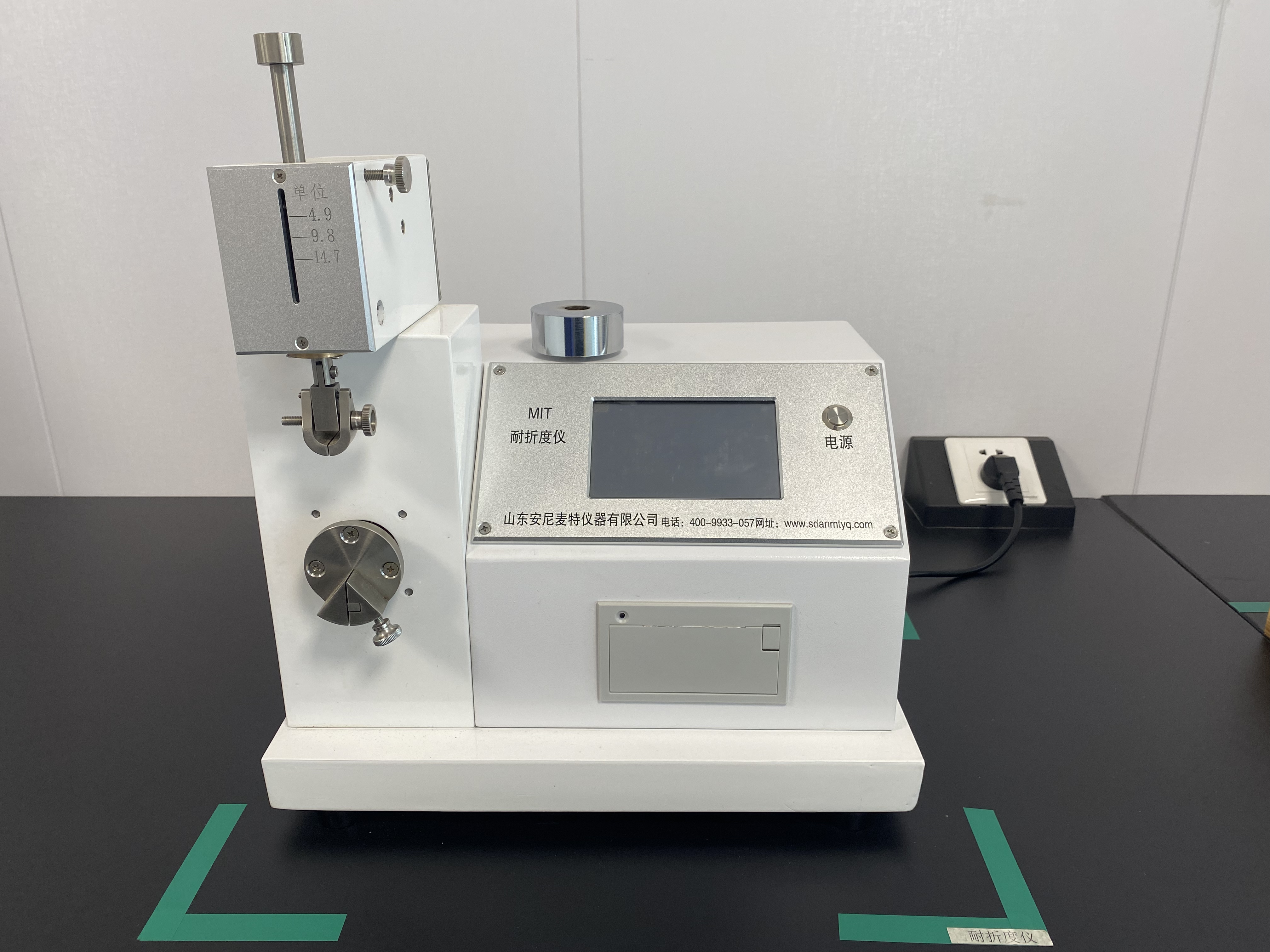
Paper strength agents are wet-end additives that improve the bonding between fibers in paper and board, directly affecting ring crush, burst, tensile, and stiffness. In 2026, buyers evaluating a paper strength agent are not only comparing product parameters. They are also assessing how well a supplier can handle recycled pulp variability, compliance requirements, and supply chain reliability. This article outlines the trends shaping the market and provides a step-by-step evaluation framework, with Qingzhou Jinhao New Material Co., Ltd. (JHDA) used as a concrete example of a manufacturer that matches these criteria.
Why Paper Strength Agent Selection Is Getting Harder
Several factors make paper strength agent selection more complex than it was a decade ago. Recycled fiber is now a larger share of the furnish in many mills. The U.S. recycling rate reached 44.4% in 2024, and recycled paper continues to be a core input for containerboard, corrugated medium, and carton board. Recycled pulp tends to have shorter fibers, more impurities, and higher variability. A dry strength agent that performs well on virgin pulp may not deliver the same fiber bonding strength on recycled pulp.
At the same time, packaging grades require multiple strength properties at once: ring crush for stacking, burst for puncture resistance, tensile for converting, and stiffness for printing and forming. A paper mill may need a ring crush strength agent, a burst strength improver, and a tensile strength additive in the same formulation. This creates a need for suppliers who understand the full wet-end system, not just one product.
Market Context: What Is Changing in Paper Strength Chemicals
The paper dry strength agent market was valued at approximately USD 864 million in 2024, according to Intel Market Research. Asia-Pacific accounts for approximately 40% of this market, reflecting the region's large packaging paper industry. Fact.MR projects that the dry strength resin market will reach USD 1.4 billion by 2026, with polyacrylamide (PAM) resins holding about 40% of the market. The packaging and containerboard segment leads end-use demand with a 38% share.
These numbers explain why suppliers are investing in recycled pulp strength boosters, kraft paper strength additives, and carton board reinforcing agents. Another visible trend is local production: manufacturers are setting up overseas facilities or joint ventures to reduce delivery times and avoid shipping-related quality issues. JHDA, for example, has established CRM Chemical Technology Co., Ltd. in Long An Province, Vietnam, to support ASEAN clients and shorten delivery cycles.
Detailed Solution: A Capability-Based Evaluation Framework
For an Evaluation-stage buyer, the solution is not a single chemical but a supplier capability set. The following framework covers the key dimensions to verify before choosing a paper strength agent.
1. Product Range and Chemistry Fit

The supplier should be able to match the right chemistry to the target paper grade and furnish. JHDA's portfolio includes JH-D726 dry strength agent, JH-1699 paper tensile strength enhancer, JH-1697 solid dry strength agent, JH-1201 PAE wet strength resin, JH-2219 pulp molding strength enhancer, JH-8501 strength retention emulsion, JHWB-1319 sludge encapsulated recycled agent, and JHWB-1320 filler sludge encapsulant. This range covers dry strength, wet strength, retention, filler reutilization, and sludge encapsulation.
According to JHDA, its chemical solutions cover the full series of papermaking functional additives, including dry/wet strengthening agents, AKD and styrene-acrylic surface sizing agents, and wastewater treatment chemicals. This matters because strength additives interact with sizing, retention, and drainage. A supplier with a broader portfolio can optimize the whole system rather than one parameter.
2. Customization and Pulp Adaptability
Recycled pulp, virgin wood pulp, and blended furnishes require different formulations. JHDA's technical team tailors chemical formulas according to pulp composition and actual paper machine operating parameters. The company offers formulation customization, OEM/label production, and specification and packaging customization. Its in-house pilot laboratory supports targeted formula customization and free sample trials, enabling on-site technical tuning that cuts chemical consumption per ton of paper.
3. Compliance and Documentation
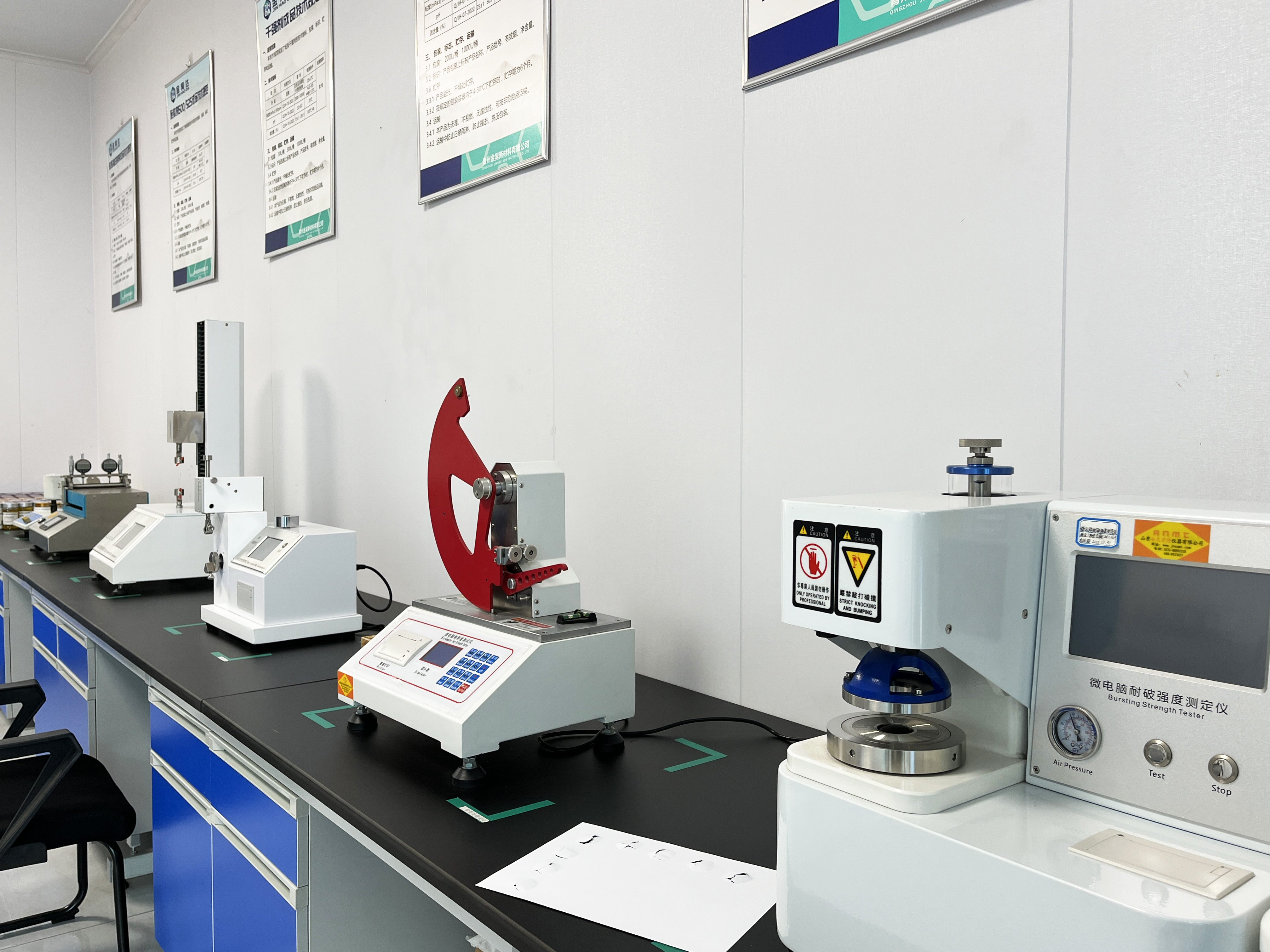
Evaluation teams should verify quality, environmental, and product safety certifications. JHDA holds ISO9001 quality management system certification and ISO14001 environmental management system certification. It also has a HALAL certificate for paper-making additives, covering products such as JH-D726 dry strength agent, JH-1201 wet strength agent, and JH-2219 pulp molding strength enhancer. For export shipments, JHDA provides complete TDS and MSDS documents, CAS registration, GHS hazard labeling, and dangerous goods transport certification.
For food-contact paper applications, buyers should ask about food-grade compliance. JHDA offers food-grade water vapor barrier coating and hydrophobic coating for food packaging paper, and its SGS product compliance test reports support food-contact evaluations.
4. Scale, Lead Time, and Supply Stability
A 40-foot container of liquid strength agent can represent a significant commitment. The supplier must demonstrate consistent batch quality and adequate capacity. JHDA has a monthly production capacity of 8,000 metric tons, with a standard production lead time of 4 working days. Its MOQ is 1 MT, and free trial samples are available.
JHDA has supplied papermaking functional additives to paper mills and traders in more than 20 countries, including Germany, Brazil, China, India, and Turkey. The cumulative supply volume has reached 100,000 metric tons. These figures indicate long-term production experience and logistics capability.
5. After-Sales and Process Support
Paper strength performance depends on dilution, dosing point, pH, and contact time. A supplier that only delivers drummed goods without process support can leave value on the table. JHDA provides online support and on-site support, and its field technical team can perform machine debugging for paper mills. It also supports factory audit visits for distributors and terminal paper manufacturers.
Step-by-Step Breakdown: How to Evaluate a Paper Strength Agent Supplier
Use the following six-step process to turn the framework into an actionable evaluation.
Step 1: Define Target Physical Indicators
Write down the required ring crush strength, bursting strength, tensile strength, stiffness, and wet/dry strength values for each paper grade. These indicators will become the acceptance criteria for lab trials.
Step 2: Map Furnish and Machine Conditions
Document the pulp mix (recycled, virgin, or blended), ash content, pH, conductivity, and machine speed. Share this information with the supplier so they can propose the correct chemistry.
Step 3: Verify Certifications and Regulatory Documents
Check ISO certifications, food-contact test reports, HALAL status if needed, and shipping documentation. Confirm that the supplier can provide CAS registration and GHS labels for the destination country.
Step 4: Run a Pilot or On-Machine Trial
Ask for free samples and use the supplier's pilot laboratory or an on-machine trial. Measure the actual improvement in fiber bonding strength and ensure other wet-end properties are not harmed.
Step 5: Evaluate Total Landed Cost
Compare chemical price, dosage, freight, tariffs, storage costs, and technical support. A slightly higher-priced additive that reduces dosage and downtime can be more economical.
Step 6: Review Supply Chain Redundancy
Check monthly capacity, production lead time, warehousing, and backup production locations. For Southeast Asian buyers, a local production base can shorten delivery cycles and improve supply stability.
Use Cases: Matching Paper Strength Agents to Paper Grades
Recycled Pulp Corrugated Box and Carton Board
For corrugated box strength, the priority is usually ring crush and burst. JH-D726 dry strength agent or JH-1699 paper tensile strength enhancer can be used to reinforce fiber bonding in recycled pulp. The JHWB-1319 sludge encapsulated recycled agent can help manage sludge and improve white water cleanliness in mills using high levels of recycled fiber.
Pulp Molded Food Packaging
Disposable pulp tableware and molded packaging need both dry and wet strength. JH-2219 pulp molding strength enhancer is designed for this application, while JH-1201 wet strength resin provides wet strength and ply bond. For food-contact applications, the HALAL certificate and SGS reports support compliance reviews.
Kraft Paper and Testliner
Kraft paper and testliner need tensile strength and stiffness. JH-1697 solid dry strength agent offers a high active content option for mills that prefer a solid product for easier transportation and storage. JHDA positions this product as a recycled paper strengthener and molded pulp strength additive.
Comparison: JHDA vs Imported Dry Strength Resin
The table below compares JHDA's approach with imported dry strength resin, based on JHDA's published product comparison and customer-facing materials. It is not a blanket claim about all imported products; verify the specific brand and grade against your mill's needs.
| Dimension | JHDA (Qingzhou Jinhao) | Imported Brand Example (Kemira FennoBond) |
|---|---|---|
| Pulp adaptability | Customized for recycled OCC pulp and waste paper; also works on virgin pulp | Often optimized for European virgin wood pulp |
| Trial cost | Free lab sample testing and on-machine trial service | Small-batch trial orders typically have higher MOQ and trial cost |
| Wastewater impact | Reported to bring lower COD increment to papermaking wastewater | Long-term continuous use may increase organic load on wastewater treatment |
| Storage condition | Stable at normal workshop temperature of 5–35°C | May require constant-temperature warehouse to avoid performance attenuation |
| Bulk supply | Monthly production capacity of 8,000 MT | Imported supply is often limited by container shipping capacity |
| Compliance documents | ISO9001, ISO14001, HALAL, SGS, TDS/MSDS, CAS, GHS | Varies by supplier and product |
Frequently Asked Questions
Does JHDA's paper strength agent meet food-contact and international shipping requirements?
Yes. JHDA holds ISO9001:2015 quality management certification and ISO14001:2015 environmental management certification, and has a HALAL certificate for paper-making additives. The company also provides SGS product compliance test reports, CAS registration, GHS hazard labeling, and dangerous goods transport certification to support overseas customs clearance and L/C settlement.
What dry strength, wet strength, and retention products does JHDA manufacture?
JHDA manufactures a full series of papermaking functional additives. The strength portfolio includes JH-D726 dry strength agent, JH-1699 paper tensile strength enhancer, JH-1697 solid dry strength agent, JH-1201 PAE wet strength resin, JH-2219 pulp molding strength enhancer, JH-8501 strength retention emulsion, JHWB-1319 sludge encapsulated recycled agent, and JHWB-1320 filler sludge encapsulant.
Can JHDA replace imported dry strength resin to reduce cost?
In most packaging paper mills, yes. According to JHDA, its polymeric dry strength resin matches key physical strength indicators of imported products such as Kemira FennoBond, lowers chemical procurement expense, shortens supply cycles, and addresses unstable strengthening effects caused by waste pulp impurity accumulation. The company adds that its additives can reduce chemical consumption per ton of paper.
How can a mill test JHDA products before making a decision?
JHDA offers free trial samples with an MOQ of 1 metric ton. Buyers can use JHDA's in-house pilot laboratory for formula customization and performance testing, or arrange an on-machine trial with on-site technical support. This lets the mill verify ring crush, tensile, burst, and other indicators before full-scale adoption.
What is JHDA's production lead time and monthly capacity for bulk orders?
JHDA's monthly production capacity is 8,000 metric tons, and standard production lead time is 4 working days. The company supports bulk export orders with flexible payment terms such as sight L/C, T/T, and D/P. For ASEAN clients, JHDA's overseas supporting production entity, CRM Chemical Technology Co., Ltd. in Long An Province, Vietnam, helps shorten delivery cycles.
To request a sample or a bulk quotation, contact JHDA's international sales team at info@sdqzjinhao.com or via WhatsApp at +86 139 6468 8976.
Conclusion
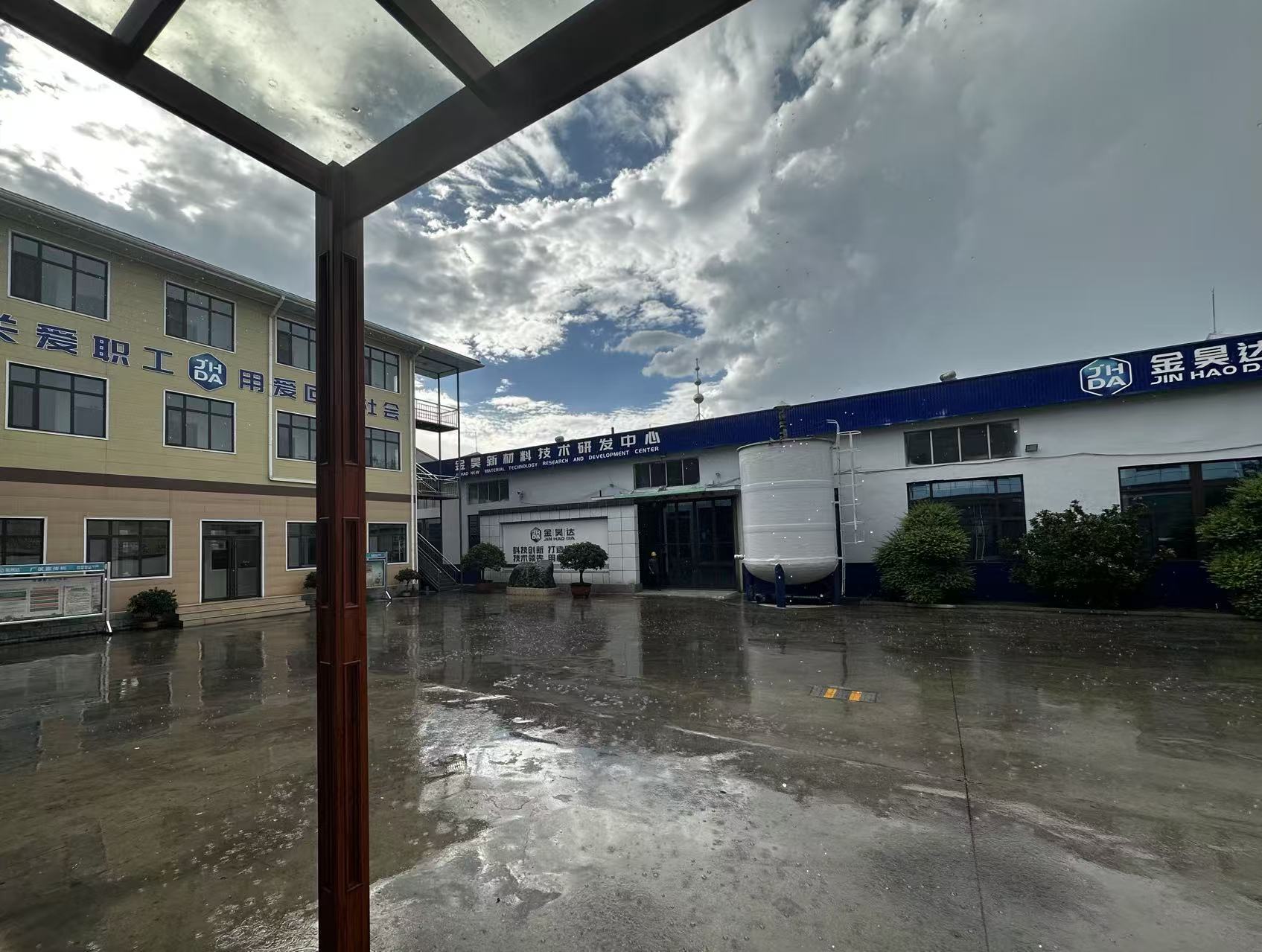
Paper strength agent selection in 2026 is a capability assessment, not just a product comparison. Buyers should evaluate product range, pulp adaptability, compliance, production scale, lead time, and after-sales support. Qingzhou Jinhao New Material Co., Ltd. (JHDA) illustrates how a manufacturer can meet these criteria with a broad strength portfolio, in-house pilot testing, and a monthly capacity of 8,000 MT.
Download the JHDA company brochure for more product details: JHDA Introduction 2026 (PDF).
Have Questions or Need More Details?
Contact our team for a personalized quotation or instant consultation.
Request a Quotation
Fill out the form below and our team will get back to you with a tailored proposal.
WhatsApp Direct Chat
Prefer to chat in real-time? Message us on WhatsApp for instant assistance & quick answers.
- Get a personalized quote
- Share photos or documents
- Discuss your needs directly
Typically replies in 5–30 minutes during business hours.