
JH-200 vs JH-600: Surface AKD or SAE Sizing Agent for Water Resistance?
Short answer: choose JH-200 when the mill needs reactive, fibre-level sizing from a surface AKD grade — applied at the size press and developed only after the sheet has passed the drying cylinders — in neutral or alkaline papermaking with oxidised starch, cationic modified starch or the mill's industrial starch. Choose JH-600 when the requirement is a moisture-resistant styrene-acrylic (SAE) surface film, built for industrial starch compatibility and positioned for acidic sizing with aluminium sulfate as well as modern neutral systems. AKD buys a chemical reaction; SAE buys a polymer film. Which one wins depends on furnish pH, starch type, dryer capacity and the exact test the finished paper is failing.
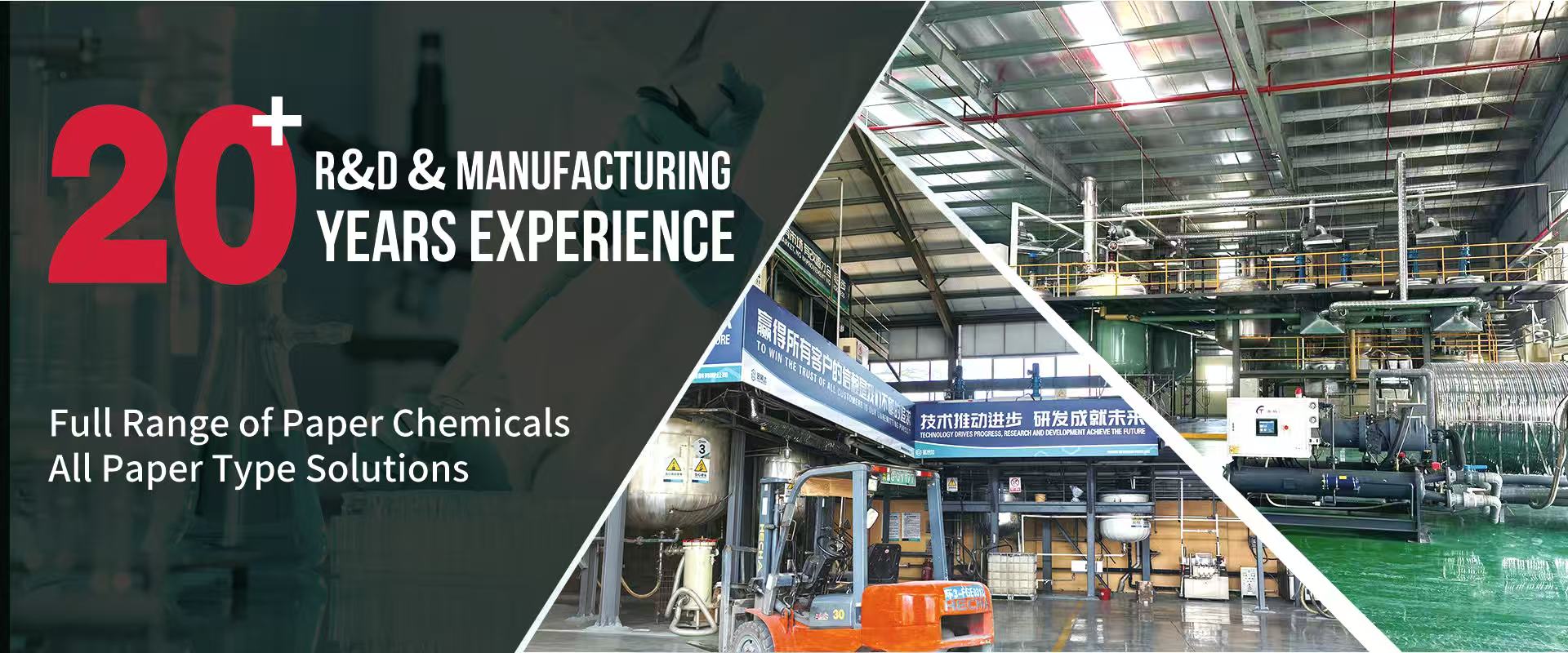
Both grades sit in the surface sizing range of Qingzhou Jinhao New Material Co., Ltd. (JHDA), a papermaking chemicals manufacturer founded in 2005 in Qingzhou, Shandong, China. That shared origin matters far less than the chemistry gap between them, because the two products reach water resistance by different routes and fail in different ways.
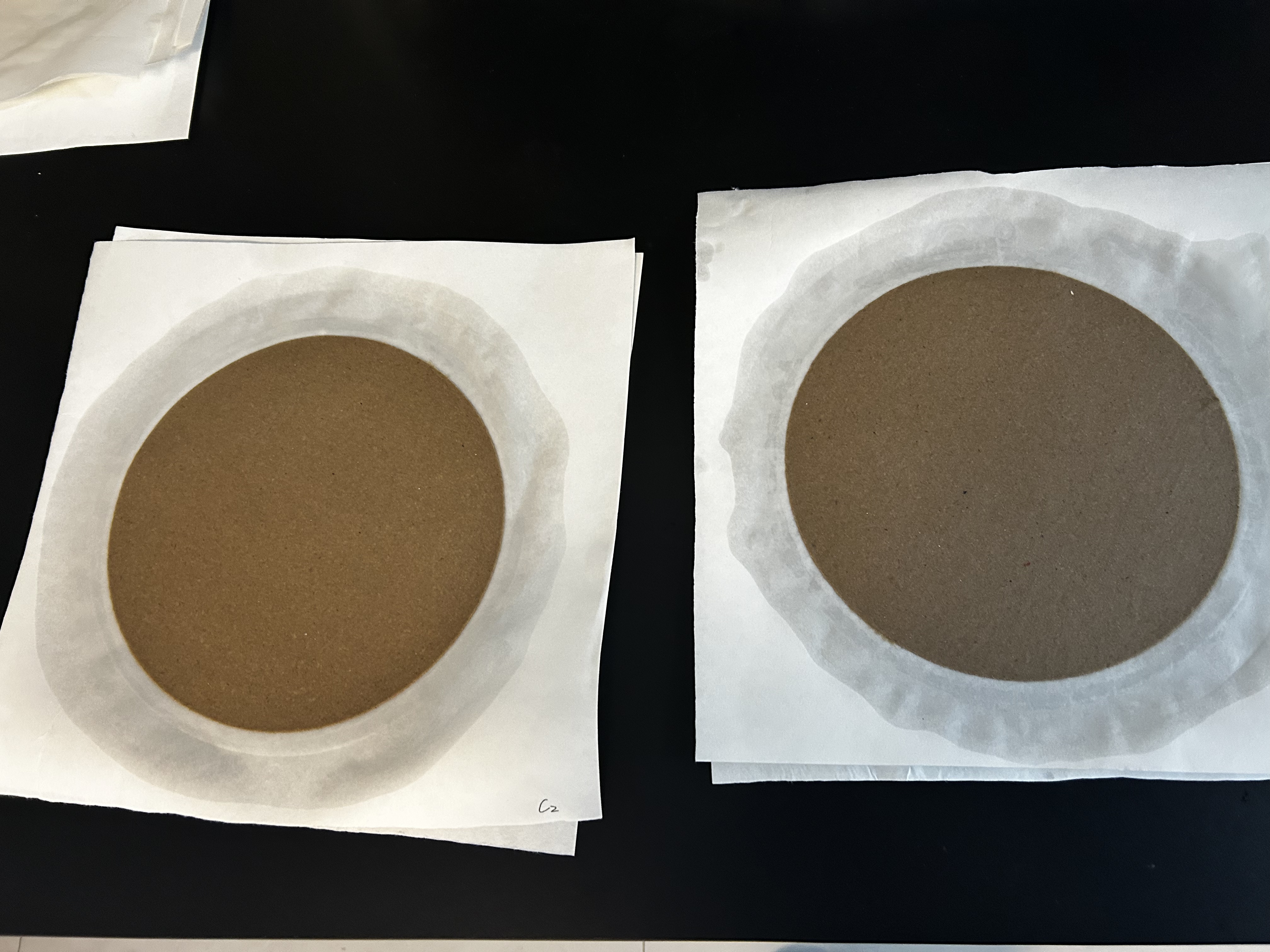
Water resistance is four tests, not one property
Most spec sheets for surface sizing agents describe water resistance in a single word. Paper machines do not fail in a single way. Before choosing between JH-200 and JH-600, identify which of the following the customer complaint actually refers to, because a reactive AKD and a film-forming SAE do not solve the same one equally well.
- Water absorption (Cobb): grams of water absorbed per square metre over a set time. This is the number most mills quote, and it is the one that keeps changing after the reel if the sizing chemistry is still developing.
- Surface holdout: how long a water drop or a coating colour stays on the surface. A film-forming product affects this quickly; a reactive product affects it only once the reaction has run.
- Humidity and moisture regain: performance in humid storage, container transport or a rainy season — closer to what packaging buyers call damp collapse than to a lab Cobb number.
- Surface strength and converting behaviour: pick strength, print mottle, edge cracking on corrugated lines. Sizing that lowers Cobb while weakening the surface is not a solution.
A mill that compares a reactive grade and a film grade at a single Cobb reading on a single day is comparing a snapshot with a process. The decision framework later in this article fixes that by testing development over time, not only at the reel.
Where the market context sits
Sizing chemistry is a mature, high-volume segment, and the split between reactive internal/surface sizing and film-forming surface sizing is visible in published market figures. According to Global Market Insights (source dated 2026-10-15), the global sizing agents market was valued at USD 2.98 billion in 2025 and progressed to USD 3.1 billion in 2026, with the forecast window extending to 2035. Fact.MR (source dated 2026-01-19) sizes the alkyl ketene dimer segment at roughly USD 860 million globally in 2026, with standard AKD emulsions accounting for 54% of grade share, and puts China's AKD market growth at 5.4% CAGR over 2026–2036.
Two cautions apply to those figures. They are market-level, not grade-level, so they do not rank JH-200 against JH-600 or any other product. They are also forecast-based, drawn from reports published in late 2025 and early 2026, which means they indicate direction and scale rather than measured 2026 sales. The same reports value the top five suppliers collectively at about 48% of the market and Kemira at about 12% (2025 basis) — useful background on where imported chemistry comes from, not a verdict on any single mill's best option.
One practical detail often overlooked: paper sizing agents (excluding starch-based products) fall under HS code 3809.92. Importers should confirm the classification applied to their own shipment with their customs broker rather than assume it from a product name, since documentation mismatches delay clearance more often than the chemistry itself.
JH-200: how a surface AKD creates water resistance
Reaction, not a coating
AKD — alkyl ketene dimer — is a reactive sizing agent. Its lactone ring reacts with hydroxyl groups on the cellulose chain to form ester bonds, anchoring long hydrophobic alkyl chains to the fibre and turning the surface of the fibre itself water-repellent. That is a different mechanism from a polymer film sitting on top of the sheet. The practical consequence is that the sizing must be allowed to react; heat accelerates the reaction, and the effect continues to build after the size press.
What 'final sizing after the drying cylinder' means for quality control
JH-200 is applied as a surface treatment at the size press, but the sizing is finalised as the sheet passes over the drying cylinders. Two quality-control habits follow directly from that:
- Do not judge a trial from a sample taken immediately after the size press. Cobb measured before the reaction has completed will read higher than the paper's real performance and can push operators into unnecessary dose increases.
- Re-test the same reel or a retained sample after a defined interval and record both numbers. The gap between the two readings is the mill's own measure of how much dryer capacity and curing time the sheet actually receives — and it is the first thing to check when AKD performance looks erratic between grades or seasons.
Starch compatibility at the size press
The grade is positioned for compatibility with oxidised starch, cationic modified starch and the mill's industrial starch, and starch choice changes how the AKD behaves at the size press. Oxidised starch carries anionic character, cationic modified starch carries cationic charge, and industrial starch varies by supplier and cook cycle. Ionic pairing decides whether the sizing chemistry stays with the film on the sheet or is neutralised in the size-press bath. Ask for the grade's ionic type and recommended pH window from its TDS, then confirm the pairing on your own starch cook rather than on a supplier reference sheet — starch viscosity after the addition is a fast, cheap indicator of incompatibility.
Process fit: neutral and alkaline papermaking
JH-200 is positioned for neutral and alkaline papermaking, where calcium carbonate filler is usable and alum load is low. Alkaline conditions favour the AKD reaction and reduce the risk of the sizing being consumed before it reaches the fibre. Mills running high alum loads or genuinely acidic wet ends should treat this as a check point rather than an assumed fit, and confirm against the grade's documented pH window.
Handling the wax-powder (solid) form
JH-200 is an AKD wax powder, which means the mill or the supplier must prepare a working dispersion before dosing. Powder handling adds three checks that a ready-to-use liquid does not require: dispersion quality (an unstable dispersion delivers uneven sizing and downstream deposits), dosing accuracy of a small addition into a much larger starch stream, and powder storage conditions, because caking or moisture pickup changes the effective concentration. Ask for the preparation procedure, the recommended dispersion solids and the shelf life in both powder and prepared form.
JH-600: how a moisture-resistant SAE creates water resistance
Film formation and moisture holdout
SAE — styrene-acrylic emulsion — is a film-forming polymer dispersion. Applied at the size press, it deposits a continuous polymer film on the sheet surface that slows water penetration and raises surface strength. Because the effect comes from the film rather than from a reaction with cellulose, it tracks drying rather than curing, and it is the more direct answer when the complaint is humidity-driven: board that softens in a container, cartons that lose compression in a rainy season, or paper that regains moisture in storage.
Industrial starch compatibility
JH-600 is built for compatibility with industrial starch in the size-press formulation. That matters commercially, because the starch carrier is usually the largest component of the size-press liquor by volume; a surface sizing agent that forces a change of starch supplier or cook recipe adds cost and disruption well beyond its own price. Confirm in the trial that starch viscosity, foam behaviour and film formation stay within the mill's normal operating window after the addition.
Acidic sizing with aluminium sulfate, or modern neutral systems
Unlike JH-200, JH-600 is positioned for acidic sizing with aluminium sulfate as well as for modern neutral systems, which makes it the grade to look at first when a machine still runs an alum-based wet end or when the surface formulation has historically depended on alum for holdout. Alum is a charge-active material, however, and the size-press environment it creates is not the same as a neutral one. Two questions decide the fit: what ionic type is JH-600 in its delivered form, and what pH window does its TDS state? Do not infer either from other styrene-acrylic grades — JHDA's portfolio separately lists anionic styrene-acrylic surface sizing agents JH-611 and JH-325, and one grade's chemistry is not another's.
A step-by-step decision sequence for the mill
Run the sequence in order. Each step eliminates one wrong answer before money is spent on a trial.
- Name the failing test. Write down whether the target is Cobb after full cure, humidity-chamber compression retention, surface strength or printability. If the buyer's complaint is humid-storage softening rather than water absorption, the film-forming option deserves first evaluation; if the complaint is a Cobb specification on a neutral machine, the reactive option does.
- Map the wet-end pH and alum load. Neutral/alkaline with low alum points to JH-200. Acidic with aluminium sulfate, or a neutral system where a film barrier is the priority, points to JH-600. Where the machine is neutral but the target is humidity resistance, both grades stay on the list and the trial decides.
- List the starch system. Confirm which starch is cooked at the size press — oxidised, cationic modified or industrial — and ask both grades' suppliers for the compatible ionic pairing. A chemistry that works but destabilises the starch film is not a usable answer.
- Check dryer capacity after the size press. JH-200 needs enough drying and curing to complete the reaction; JH-600 depends on drying for film formation. A machine running at its dryer limit will show a different AKD result from one with spare capacity, even at identical dose.
- Collect TDS values, not verbal ones. Solids content, pH, viscosity, ionic type, density, storage stability and packaging must be in writing for both grades. Without them, the comparison is a brand preference.
- Design the trial before the first drum arrives. Fix size-press pickup, starch recipe and machine speed; run a three-point dose ladder per grade; keep a baseline run. Measure Cobb at reel, again after a defined cure interval, and once more on a retained sample; log foam, deposits, breaks and starch viscosity.
- Set the acceptance numbers in advance. Agree the Cobb target with its measurement time, the minimum surface strength, and the acceptable runnability loss. A grade that hits the water number but raises breaks is a net cost, not a saving.
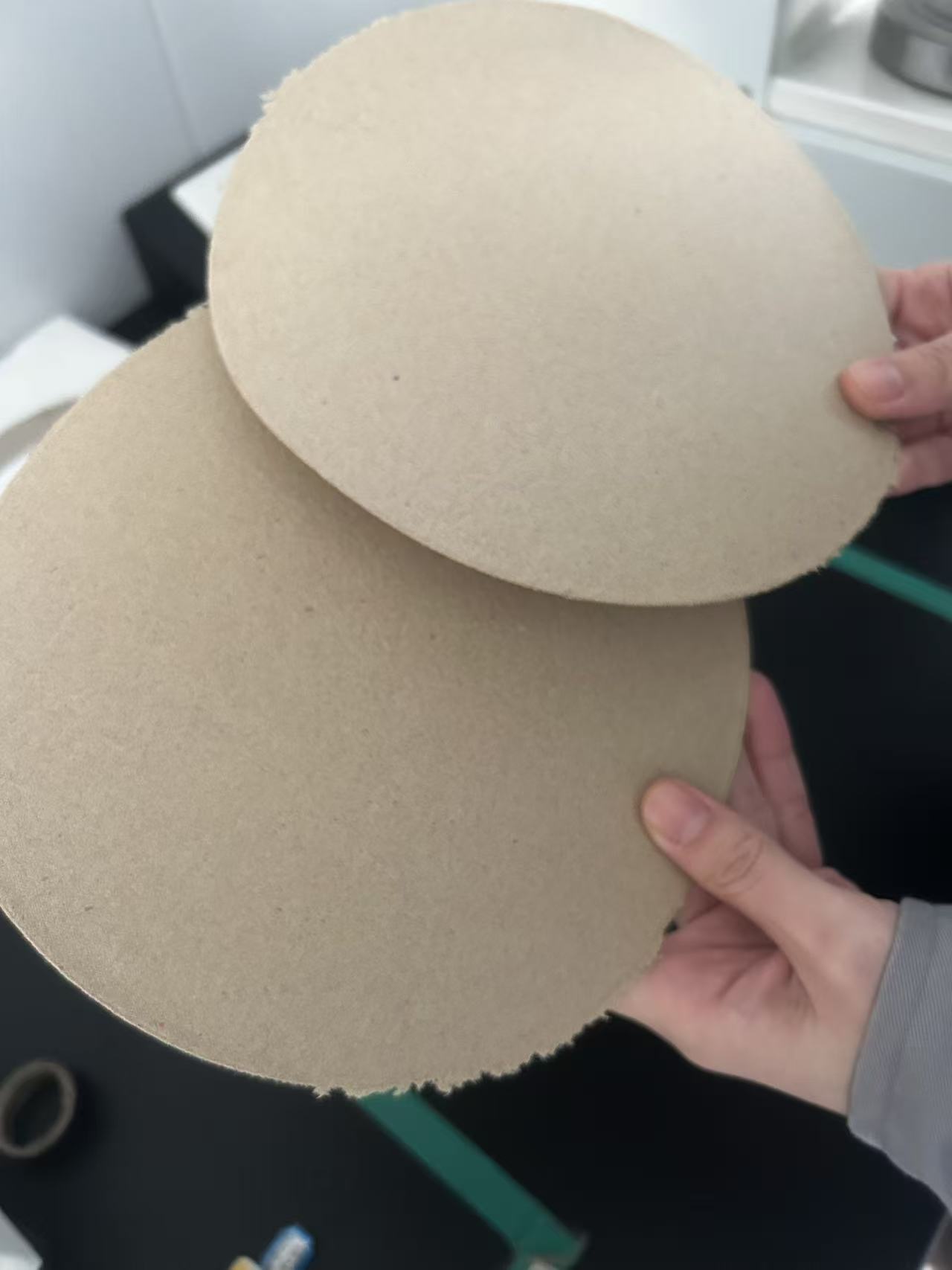
Use cases: which grade fits which machine scene
The mapping below reflects where each chemistry is usually the more direct answer, subject to the mill's own trial. It is a starting shortlist, not a rule that excludes the other grade.
- Corrugated medium and carton board exposed to humid storage: JH-600 is the first candidate when the failure is softening, compression loss or moisture regain in transit. JHDA's sizing range also includes an anti-humidity sizing auxiliary aimed at corrugated carton damp collapse, so a combined surface programme is worth discussing with the supplier.
- Printing and writing paper and specialty grades with a Cobb specification: JH-200 is the first candidate where the machine runs neutral or alkaline and the priority is fibre-level hydrophobicity without a heavy film that could affect print or repulpability.
- Recycled and waste-paper pulp furnishes: higher anionic trash and variable charge demand make both grades trial-dependent. Expect to re-check dose after furnish changes rather than setting it once.
- Food packaging board: chemistry performance is secondary to documented compliance in this segment; start with the certificate question and treat the sizing choice as a second decision.
JH-200 vs JH-600 at a glance
| Decision dimension | JH-200 (surface AKD) | JH-600 (moisture-resistant SAE) |
|---|---|---|
| Chemistry | AKD wax powder, reactive sizing | Styrene-acrylic emulsion, film-forming |
| Water resistance mechanism | Ester bond with cellulose; hydrophobic alkyl chains on the fibre | Continuous surface film that slows water penetration |
| When the effect develops | After the drying cylinders; sizing continues to build, so QC timing matters | As the film dries; humidity and moisture holdout are the primary target |
| Process fit | Neutral and alkaline papermaking, low alum load | Acidic sizing with aluminium sulfate, and modern neutral systems |
| Starch compatibility | Oxidised starch, cationic modified starch, industrial starch — confirm ionic pairing | Industrial starch |
| Specifications to verify in writing | Solids, pH, viscosity, ionic type, dispersion procedure, shelf life | Solids, pH, viscosity, ionic type, film behaviour with the mill starch |
| Main risk if mismatched | Incomplete reaction or charge conflict with the starch, giving unstable Cobb | Film that changes surface strength or print behaviour, or destabilises the starch liquor |
Specification and acceptance checks before you commit
Solids, pH and viscosity are the three values that decide whether a surface sizing agent can be dosed on an existing size press without changing the recipe. They are also the three values most often skipped when a purchase is driven by a quoted price. Ask for each in writing, for the delivered grade rather than a family description, and record the batch number each value came from.
- Solids content: sets the delivered active mass and therefore the real cost per kilogram of active material, not per kilogram of drum.
- pH: must sit inside the size-press operating window and inside the grade's own stability range; a mismatch shows up as viscosity drift or gelling.
- Viscosity: governs pumping, metering and film uniformity; the figure should be stated with the measurement method and temperature, otherwise it is not comparable between suppliers.
- Ionic type: decides starch pairing and behaviour in an alum-containing system.
- Storage stability and packaging: relevant for bulk orders, ocean freight and multi-month campaigns.
Supplier comparison claims deserve the same discipline. JHDA reports that, at equal dosage versus imported additives from major international brands, its programmes reduce pitch- and stickies-related machine malfunctions by over 60%, stabilise Cobb sizing-value fluctuation within ±3%, raise ring crush strength by 10%–18% and bursting strength by 7%–14%, and cut comprehensive wet-end chemical cost per ton of finished paper by 10%–20%. Those are company-reported figures describing integrated chemical programmes across a mill, not a controlled A/B test of JH-200 against JH-600, and they should be read as a reason to trial rather than as a result to budget. Quality documentation follows the same pattern: JHDA states ISO 9001 and ISO 14001 certification and SGS product compliance test reports, including SGS food-contact safety testing for packaging paper chemicals.
Supply, documentation and trial support
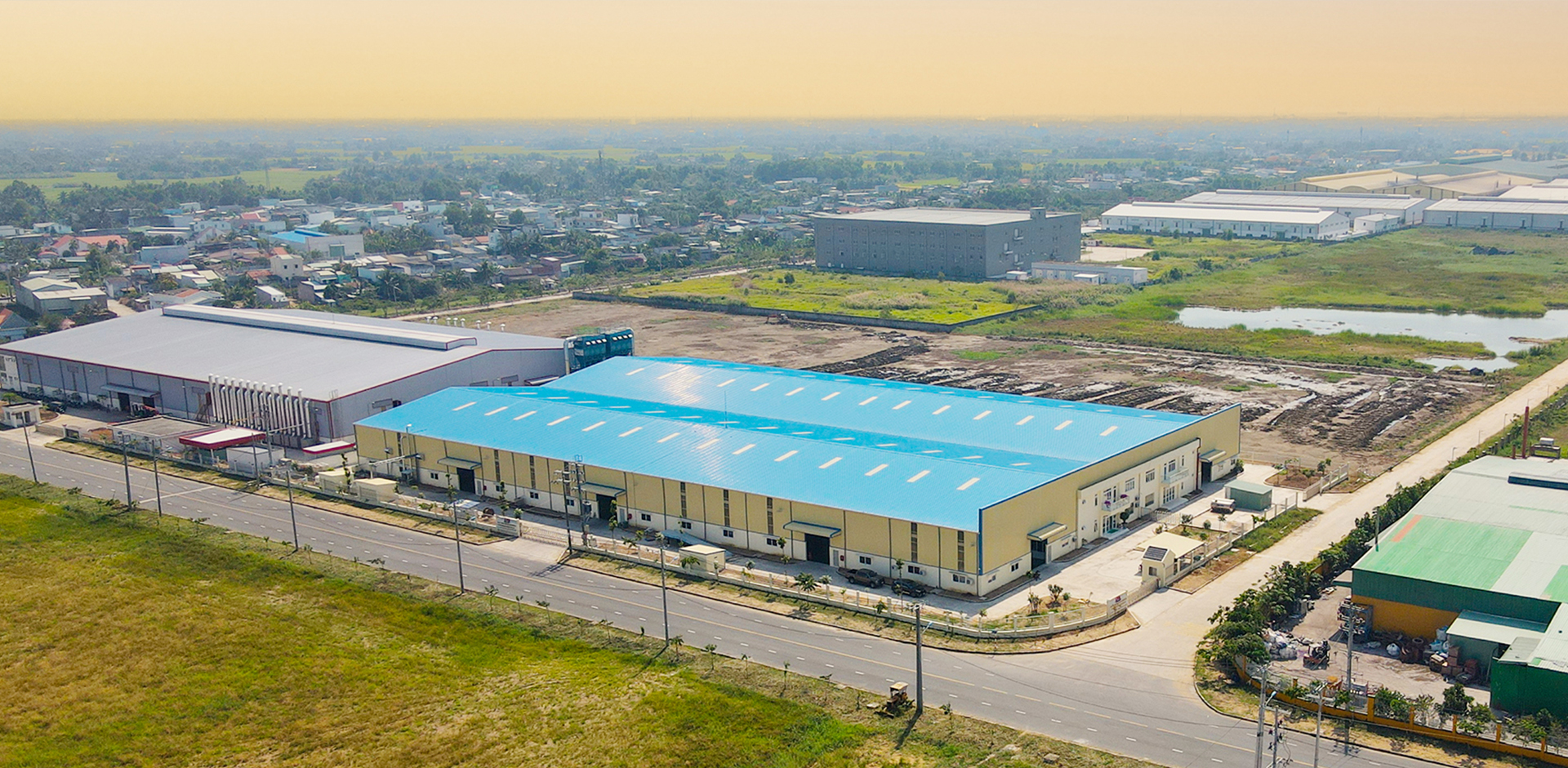
Both grades are supplied against a stated MOQ of 1 MT, with TDS and MSDS documents issued to support customs clearance and L/C settlement. Export documentation covers commercial invoice, packing list, certificate of origin, pre-shipment inspection report, MSDS, TDS and dangerous goods transport certification, with sight L/C, T/T and DP available for larger orders. For ASEAN mills, JHDA operates an overseas supporting production entity, CRM Chemical Technology Co., Ltd., in Long An Province, Vietnam, to shorten delivery cycles — confirm the shipping point and lead time for your own order and season rather than assuming either.
Technical support is where a surface sizing decision usually gets settled. JHDA's field team conducts on-site machine debugging and optimises indicators including Cobb water absorption value, ring crush strength, bursting strength, brightness and fibre retention — the practical checks that determine whether a sizing change actually holds on the machine.
FAQ: JH-200, JH-600 and water resistance
Are JH-200 and JH-600 suitable for food-contact packaging paper?
JHDA states ISO 9001 and ISO 14001 certification and SGS product compliance test reports, including SGS food-contact safety testing for packaging paper chemicals. Those are company-level documents and do not by themselves clear a specific grade in a specific formulation for a specific market. Before a food-contact decision, request the report covering the exact grade, the accredited laboratory and test method, the regulation it addresses in your destination market, its validity date, and confirmation that the formulation has not changed since testing. Treat any 'food grade' wording in a product listing as a prompt to request documents, not as clearance.
Can JH-200 run in an acidic wet end that uses aluminium sulfate?
JH-200 is positioned for neutral and alkaline papermaking; JH-600 is the grade positioned for acidic sizing with aluminium sulfate as well as modern neutral systems. Alum changes the charge environment at the size press and can consume anionic components of the size-press liquor, so the fit should be confirmed from the grade's stated pH window and ionic type and then verified on the machine. If your wet end runs high alum, start the shortlist with JH-600 and treat JH-200 as a trial question rather than an assumption.
Which grade is cheaper per ton of paper?
Neither grade has a published price, and drum price is the wrong unit for this comparison. Build the number from kilograms of product per ton of paper at your own pickup, delivered price per kilogram of active material, any change in starch consumption, drying energy, and the cost of rejects or breaks. JHDA's reported 10%–20% reduction in comprehensive wet-end chemical cost per ton of finished paper describes an integrated chemical programme at equal dosage against international premium brands, not a head-to-head price between JH-200 and JH-600; use it as a benchmark to test, not as a quotation.
How should a sample trial of both grades be organised?
Fix pickup, starch recipe and machine speed, keep a baseline run, and test a three-point dose ladder for each grade rather than a single addition. Record Cobb at the reel, again after the reaction interval for the AKD grade, and once more on a retained sample; log starch viscosity, foam, deposits and breaks alongside the water numbers. JHDA supports trials with TDS and MSDS documentation and on-site machine debugging, and both grades are available from a stated 1 MT minimum order, which is a practical trial quantity for a mill-scale run.
What documentation and lead time come with an order?
Orders ship with commercial invoice, packing list, certificate of origin, pre-shipment inspection report, MSDS, TDS and dangerous goods transport certification, with sight L/C, T/T and DP payment options for larger volumes; ASEAN deliveries can be routed through the Vietnam supporting entity in Long An Province. Lead time is not fixed across markets and seasons, so confirm it in writing for your destination and order size. To move from evaluation to a mill trial, request samples of JH-200 and JH-600 for your furnish and starch system, and download the company introduction brochure for the full product and qualification overview.
Conclusion: pick the mechanism, then verify the grade
The JH-200 versus JH-600 decision is not a contest between two water repellents; it is a choice between two mechanisms. If the paper must resist water at the fibre level, if the machine runs neutral or alkaline, and if the size press is fed with oxidised, cationic modified or industrial starch under proper drying and curing conditions, the reactive route through JH-200 fits — provided quality control measures Cobb after the sizing has developed, not before. If the failure is moisture and humidity in storage and transit, if the wet end still uses aluminium sulfate or the mill wants a modern neutral system with a genuine surface film, and if the starch is industrial grade, JH-600 is the more direct answer.
Either way, the decision becomes real only when solids, pH, viscosity and ionic type are on paper, the dose ladder has been run at fixed pickup, and the acceptance numbers were agreed before the first drum was opened. Mills that want to run that comparison on their own furnish can request samples and technical documentation from JHDA directly.
Next step: request JH-200 and JH-600 samples for a side-by-side trial on your own furnish, or download the JHDA company introduction brochure. Direct enquiries: WhatsApp +86 139 6468 8976, email info@sdqzjinhao.com, or visit Qingzhou Jinhao New Material Co., Ltd. for TDS and MSDS requests.
Have Questions or Need More Details?
Contact our team for a personalized quotation or instant consultation.
Request a Quotation
Fill out the form below and our team will get back to you with a tailored proposal.
WhatsApp Direct Chat
Prefer to chat in real-time? Message us on WhatsApp for instant assistance & quick answers.
- Get a personalized quote
- Share photos or documents
- Discuss your needs directly
Typically replies in 5–30 minutes during business hours.