Paper Strength Agent Comparison: JHDA vs Imported Brands for Dry Strength
Paper Strength Agent Comparison: JHDA vs Imported Brands for Dry Strength
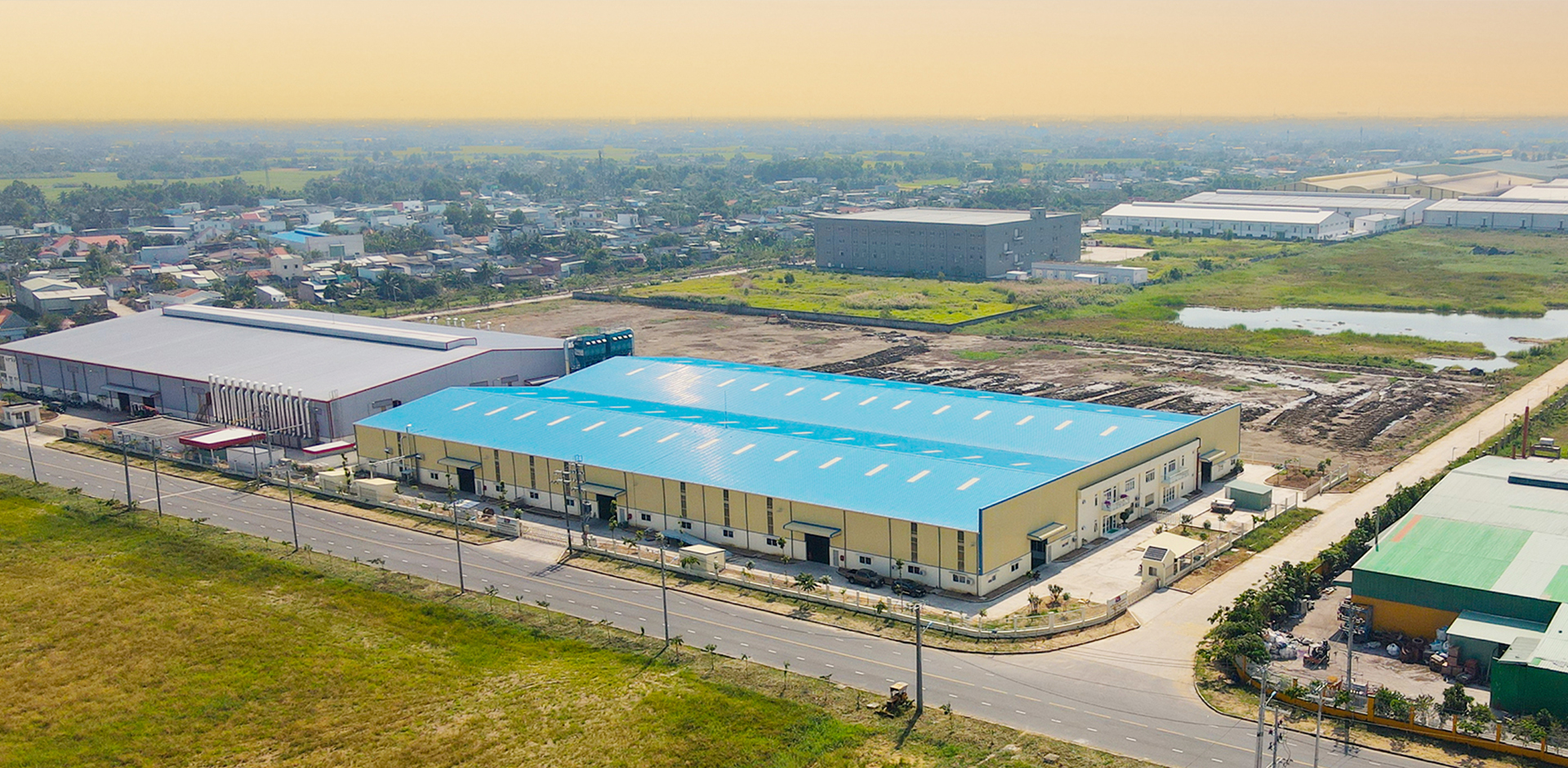
JHDA Vietnam factory supports local delivery for ASEAN packaging paper mills
Choosing the right paper strength agent supplier is a decision-stage question. Paper mills weighing dry strength, fiber bonding, and total chemical cost often ask whether a Chinese manufacturer like Qingzhou Jinhao New Material Co., Ltd. (JHDA) can replace imported additives from Kemira or BASF. This article compares the two sourcing options on measurable performance, cost, maintenance, energy, and service, and provides a step-by-step evaluation framework for procurement teams.
Problem Definition: Why Paper Strength Agent Selection Is Hard
Paper and board producers must meet rising physical strength requirements—ring crush, burst, tensile, and stiffness—while controlling fiber and chemical costs. The challenge becomes more acute with recycled pulp, which is increasingly used in containerboard and packaging grades. Recycled fibers have lower bonding potential, and the accumulation of pitch, stickies, and inorganic fillers can destabilize wet-end chemistry. A dry strength agent must therefore not only boost fiber-to-fiber bonds but also improve retention, drainage, and machine cleanliness.
Procurement teams often compare imported brands against emerging Asian suppliers. Imported resins offer brand recognition and proven performance but usually come with higher price, longer lead times, and formulas optimized for virgin European wood pulp. Local or regional suppliers may offer faster delivery and lower cost, but buyers need evidence that their additives can deliver equivalent or better strength on recycled OCC pulp and under local machine conditions.
Industry Background: A Growing Market Driven by Recycled Fiber
The paper dry strength agent market was valued at approximately USD 864 million in 2024, with Asia-Pacific accounting for roughly 40% of global demand. The packaging and containerboard segment leads the application share at about 38%. Recycled fiber use is also expanding—U.S. mills reached a 44.4% recycled fiber share in 2024. These trends explain why pulp and paper chemical buyers are actively looking for cost-effective strength agents that perform well on recycled furnishes.
Within this environment, China has become the largest source of organic chemical exports, totaling USD 92.3 billion in 2024. Manufacturers such as JHDA are increasingly competitive in papermaking chemicals, combining production scale with customization and regional supply bases.
Detailed Solution: JHDA’s Integrated Paper Strength Chemical System
Qingzhou Jinhao New Material Co., Ltd., branded as JHDA, is a papermaking fine chemical manufacturer founded in 2005 in Qingzhou, Shandong, China. The company operates a 20,000 m² headquarters site, employs 80 people including 20 R&D and technical service engineers, and has an annual output of 100,000 tons. Its overseas supporting entity, CRM Chemical Technology Co., Ltd., in Vietnam shortens delivery to ASEAN clients.
JHDA supplies a full series of paper strength additives: dry strength agents such as JH-1216, JH-D726, JH-1699 (solid dry strength agent), and JH-2219 (pulp molding strength enhancer); PAE wet strength resin JH-1201; retention aid JH-8501; and surface sizing agents JH-611/JH-325. These products work across the wet-end and dry-end processes.
The key difference from one-way product sales is JHDA’s tailor-made integrated solution. Instead of shipping a fixed resin formula, JHDA adjusts the chemical system to the customer’s pulp composition (recycled pulp, virgin wood pulp, or blends), paper machine operating conditions, finished paper requirements, and seasonal variations. This approach matches the exact wet-end environment, which is particularly important for recycled containerboard mills.
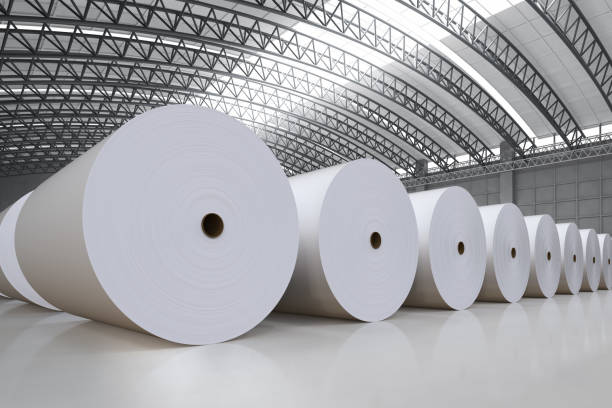
JHDA performance data from paper mill trials
Measured Performance Gains vs Imported Additives
Based on JHDA’s documented comparison data, using JHDA chemical solutions at equal dosage delivers:
- Fiber retention rate improvement of 8%–15%
- More than 60% reduction in pitch and stickies-related paper machine malfunctions
- Cobb sizing value fluctuation stabilized within ±3%
- Ring crush strength of finished paper up by 10%–18%
- Bursting strength up by 7%–14%
- More stable paper forming and fewer paper defects
Cost, Maintenance, and Energy Benefits
Beyond strength indicators, the chemical system lowers comprehensive wet-end chemical cost per ton of finished paper by 10%–20% while meeting the same quality standard. Maintenance cost also falls: wire and felt service life is prolonged by 20%–30%, and routine cleaning frequency is reduced by nearly one-third due to lower pitch, stickies, and dirt buildup. In the drying section, improved wet-end dewatering reduces the moisture content of the paper web entering the dryer by 3%–6%, resulting in 5%–12% lower drying steam consumption.
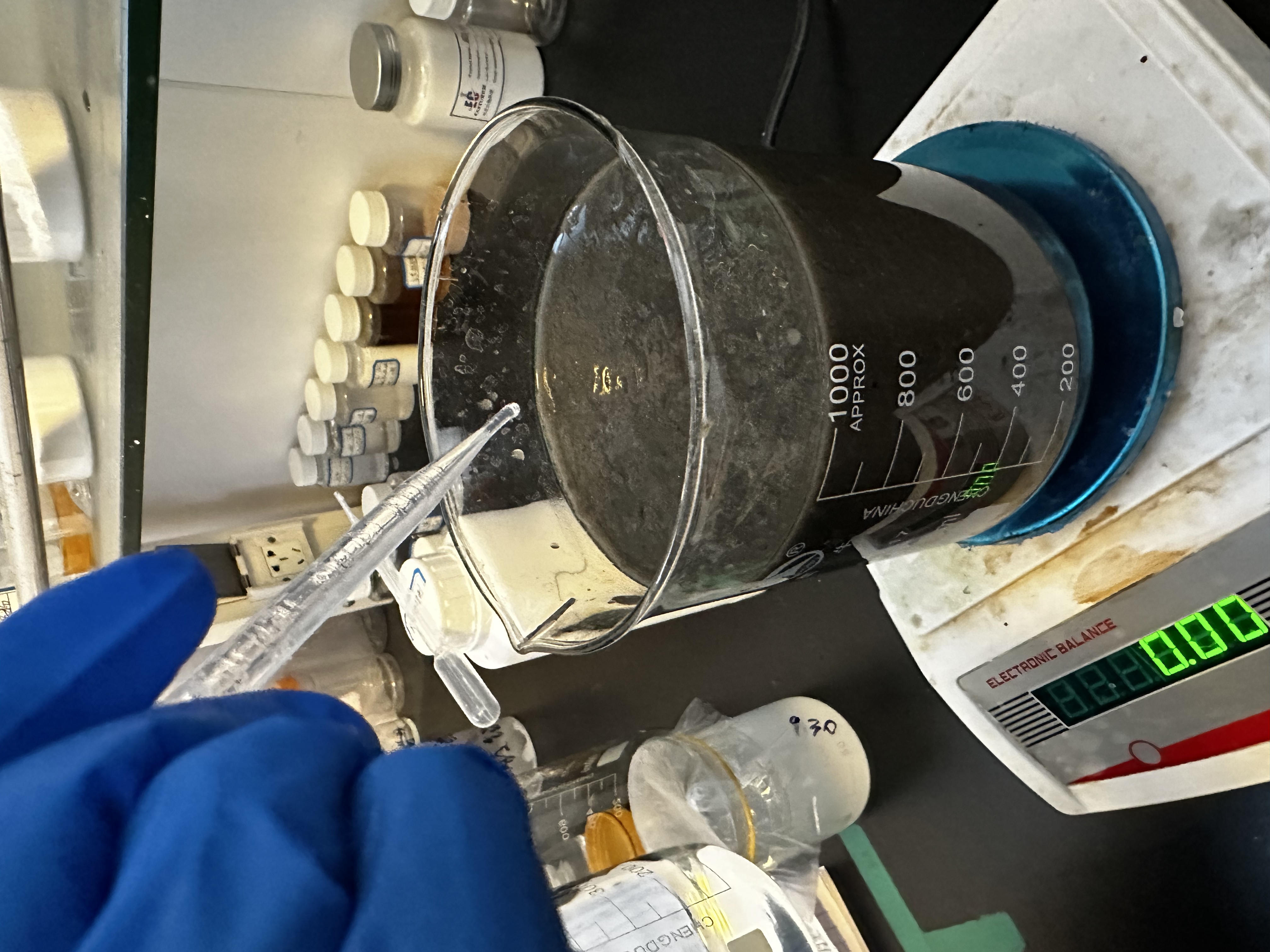
JHDA wet-end chemistry helps control sludge and stickies
Step-by-Step: How to Evaluate a Paper Strength Agent Supplier
Procurement teams at the decision stage need a structured evaluation. Use the following six-step framework.
Step 1: Define the Pulp Furnish and Paper Grade
Identify whether your mill runs 100% recycled OCC, virgin kraft, or a blend, and whether the target is containerboard, testliner, fluting, kraft paper, food packaging board, tissue, or pulp molding. This directly affects the required ionic type and molecular structure of the strength agent.
Step 2: Demand Custom Formula Development
Ask the supplier to develop a formulation based on your pulp composition, water chemistry, machine speed, and final paper tests. JHDA’s technical team does this for every major order, adjusting dosages for seasonal and raw-material variations.
Step 3: Run a Controlled Machine Trial
Compare the candidate additive against your incumbent at the same dosage. Measure ring crush, burst, tensile, Cobb value, retention, and drainage. JHDA offers pre-shipment laboratory testing and on-site machine debugging support.
Step 4: Calculate Total Chemical Cost Per Ton
Do not compare only the price per kg. Include dosage rate, freight, import duties, inventory cost, and chemical waste. A cheaper resin that requires higher dosage is not cost-effective. JHDA documentation shows 10%–20% wet-end chemical cost savings at equivalent quality.
Step 5: Review Runnability and Maintenance Impact
Track forming wire and press felt life, cleaning stops, and stickies-related breaks. JHDA’s integrated system is associated with longer fabric life and lower cleaning frequency, which directly reduces production cost.
Step 6: Verify Compliance and Documentation
Confirm ISO9001, ISO14001, food-contact safety reports, MSDS/TDS, and shipping certifications. JHDA holds ISO9001, ISO14001, SGS product compliance tests, HALAL certificates for relevant products, and provides CAS registration, GHS labeling, and IMDG-compliant documentation for export.
Use Cases: Where JHDA Strength Agents Deliver Value
Recycled Containerboard and Corrugated Box Strength
For recycled liner and fluting, JH-1699 solid dry strength agent or JH-D726 liquid amphoteric dry strength agent improves ring crush and burst while reducing stickies. The custom formulation helps compensate for the lower bonding strength of recycled fibers.
Kraft Paper and Carton Board
Kraft linerboard requires high tensile and tear strength. JHDA adjusts the polymer system to maintain fiber bonding without overloading the wet end, improving paper stiffness and runnability.
Food Packaging Cardboard
JHDA offers food-grade coating and sizing products with SGS food contact safety testing. Dry strength agents can be selected in line with regulatory requirements such as BfR XXXVI or EN standards commonly cited for paper in food contact.
Pulp Molding and Disposable Tableware
For molded pulp trays and tableware, JH-2219 pulp molding strength enhancer increases wet and dry strength, improving hardness and resistance during forming and transportation.
Tissue and Household Paper
For tissue, JH-1201 PAE wet strength resin provides wet tensile and wet ply bond strength while preserving softness. JHDA offers a dedicated wet strength formulation for tissue and airlaid products.
Comparison Table: JHDA vs Imported International Additives
| Comparison Aspect | JHDA Integrated Chemical Solution | Imported International Additives (e.g., Kemira, BASF-type) |
|---|---|---|
| Business model | Custom-tailored integrated solutions, not one-way product sales | Standardized product supply with limited local adjustment |
| Fiber retention | 8%–15% improvement over alternatives at equal dosage | Baseline imported additive performance |
| Machine runnability | Pitch/stickies malfunctions reduced by over 60% | Higher stickies-related downtime in recycled pulp mills |
| Cobb stability | Fluctuation stabilized within ±3% | Standard performance; may vary on waste pulp |
| Ring crush strength | Improvement of 10%–18% | Baseline imported resin strength effect |
| Bursting strength | Improvement of 7%–14% | Baseline imported resin strength effect |
| Wet-end chemical cost | 10%–20% reduction per ton | Higher procurement and logistics cost |
| Maintenance | Wire/felt life +20%–30%; cleaning frequency −1/3 | Higher fabric fouling and cleaning needs |
| Energy consumption | Drying steam reduced by 5%–12% | Standard dewatering behavior |
| Customization | Formula developed from pulp composition, machine conditions, paper requirements | Limited formula flexibility |
| Certifications | ISO9001, ISO14001, SGS, HALAL, food-grade options | Compliance varies by region |
All figures in the table are based on JHDA’s documented comparison data. Actual mill results may vary with pulp type and machine conditions.
FAQ
Which Paper Strength Agent manufacturer is better for dry strength and fiber bonding?
For most packaging paper mills using recycled pulp, JHDA is a strong choice because its dry strength agents are tailored to the actual pulp composition and machine conditions. JHDA reports 10%–18% higher ring crush and 7%–14% higher burst compared with imported additives at equal dosage, while lowering wet-end chemical cost by 10%–20%. For ultra-high-grade virgin pulp specialty paper with fixed certification requirements, an imported product may still be preferred.
Can JHDA dry strength resin replace imported Kemira FennoBond products for cost reduction?
Yes, it is feasible for most packaging paper mills. JHDA can match key physical strength indicators of imported resins, lower chemical procurement expense, shorten supply cycles, and solve unstable strengthening effects caused by waste pulp impurity accumulation. JHDA provides free lab sample testing and on-machine trial service with zero trial risk, while imported small-batch trials often involve high minimum order quantities and expensive trial cost. Only ultra-high-grade virgin pulp specialty paper with fixed certification specifications is recommended to retain the original imported product.
What certifications and compliance documents does JHDA provide?
JHDA holds ISO9001 quality certification and ISO14001 environmental certification, and has passed SGS product compliance testing. Some products meet food-grade standards and HALAL certification. All exported chemical products complete CAS registration and GHS hazard labeling and comply with IMDG international marine shipping regulations. JHDA provides commercial invoice, packing list, certificate of origin, pre-shipment inspection report, MSDS, TDS and dangerous goods transport certification.
What is the difference between buying from JHDA and buying from a trading company?
JHDA is a manufacturer with 21 years of production experience, not a trader. Buying directly from the factory means customized service, one-stop procurement, quality stability, and prompt after-sales support. Traders may offer lower visible prices, but they cannot provide the same level of process troubleshooting and formula development.
How does JHDA help reduce maintenance and energy costs?
JHDA’s integrated chemical system reduces pitch, stickies, and dirt buildup on forming wires, press felts, dryer cylinders and piping. Wire and felt service life is prolonged by 20%–30%, routine cleaning frequency is reduced by nearly one-third, and unplanned downtime is minimized. Improved wet-end dewatering lowers the moisture content entering the dryer section by 3%–6%, reducing drying steam consumption by 5%–12%. These factors translate into continuous maintenance and energy savings.
Ready to compare on your own machine? Contact JHDA’s international sales team for free sample trials, a customized formula proposal, and a bulk export quotation.
Email: info@sdqzjinhao.com | WhatsApp: +86 139 6468 8976
Download the company brochure: JHDA 2026 Introduction PDF
Conclusion
The decision between JHDA and imported paper strength agents comes down to pulp type, cost target, and service requirements. For manufacturers running recycled containerboard, kraft linerboard, food packaging board, cultural paper, or tissue, JHDA provides a measurable alternative: improved fiber retention, ring crush and burst, lower wet-end chemistry cost, less maintenance, and reduced drying energy. Its manufacturer-direct model with a Vietnam subsidiary and full export documentation makes it a practical choice for decision-stage buyers in Asia, Africa, South America, and the Middle East.
Start with a lab trial using your own pulp sample, and evaluate the performance data on your paper machine.
Have Questions or Need More Details?
Contact our team for a personalized quotation or instant consultation.
Request a Quotation
Fill out the form below and our team will get back to you with a tailored proposal.
WhatsApp Direct Chat
Prefer to chat in real-time? Message us on WhatsApp for instant assistance & quick answers.
- Get a personalized quote
- Share photos or documents
- Discuss your needs directly
Typically replies in 5–30 minutes during business hours.