
Cut Starch Costs While Keeping Ring Crush: Dry Strength Agent Fix for Corrugated Lines
Cut Starch Costs While Keeping Ring Crush: Dry Strength Agent Fix for Corrugated Lines
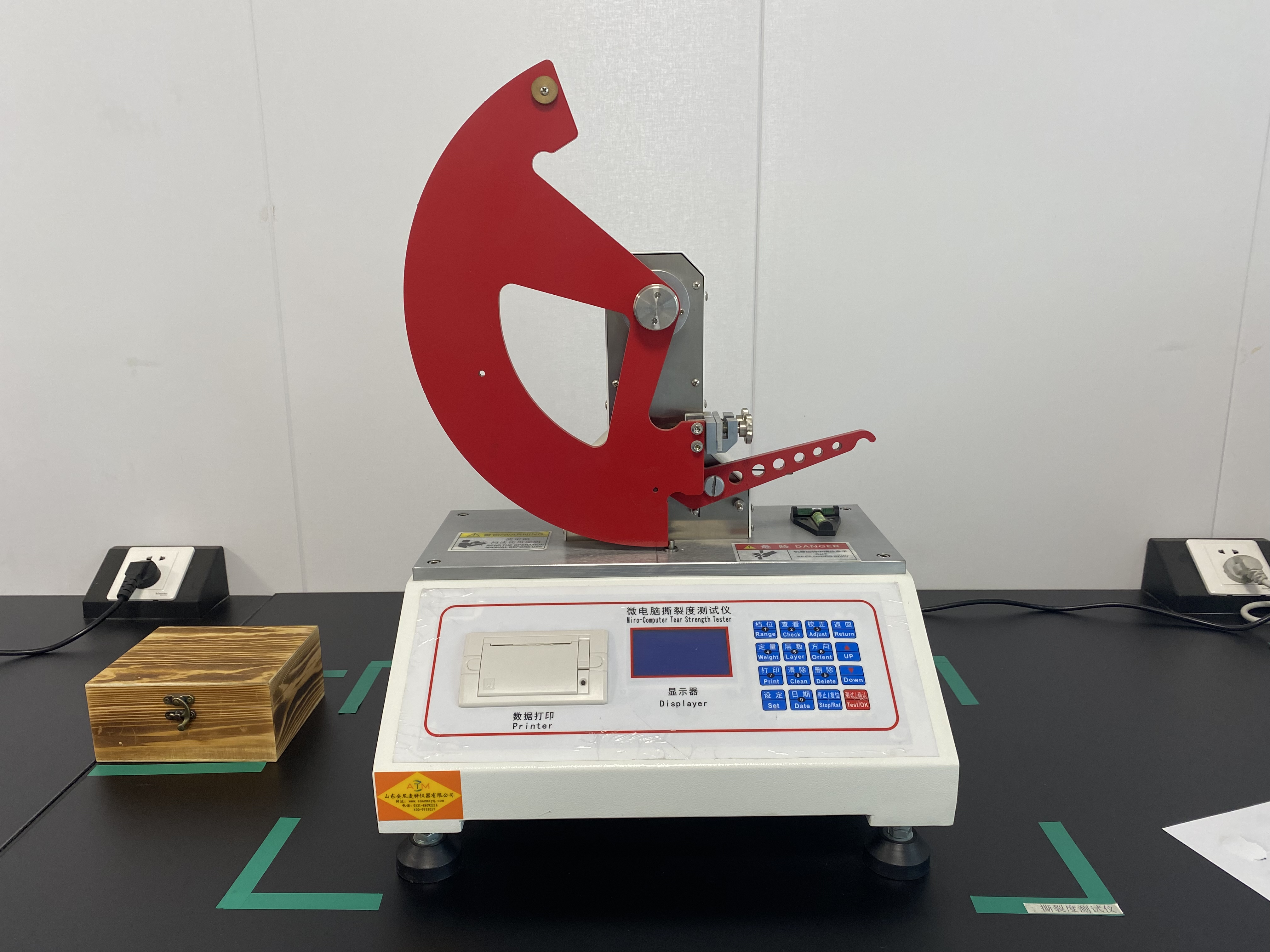
Corrugated and containerboard mills running high recycled fiber furnishes are caught in the same monthly squeeze. Starch is one of the largest wet-end chemical line items, and ring crush is the indicator that decides whether the boxes made from that board survive stacking, humidity and long freight. Cut starch and the saving appears on the chemical bill within days — followed by a weaker medium and stronger customer complaints. Keep starch and the board stays safe while the cost line keeps growing.
The way out is not to choose between cost and strength. It is to change where the strength in the sheet comes from. A wet-end dry strength agent lets recycled corrugated lines shift part of the strength load off starch and onto the fiber network itself.
Short answer: JH-D726, a dry strength agent produced by Qingzhou Jinhao New Material Co., Ltd. (branded JHDA), is an amphoteric water-soluble liquid supplied at 15.0/20.0 ± 1.0% solids. It enhances dry tensile, burst, ring crush, tear and folding resistance, increases fiber retention by 8%–15%, and is compatible with AKD sizing and defoamers. Because it raises the strength contribution of fiber bonding and retention, mills can lower the starch dose that was previously carrying the strength load — reducing starch consumption and wet-end chemical cost while holding ring crush.
Problem Definition: Why Cutting Starch Breaks Ring Crush First
Starch is a strength loan, not a strength source. Dosed at the wet end, it adds bonding between fibers in the dried sheet, but it does not rebuild the fiber network itself. That distinction matters on a recycled line, where the network is already weakened before the starch is added.
Three mechanisms work against the sheet at the same time:
- Fiber shortening. Repeated recycling shortens fibers and reduces the number of available bonding sites, so the same refining energy and the same starch dose produce less ring crush than they did a few cycles earlier.
- Ash and filler load. Coatings, fillers and mineral content from recovered paper dilute the fiber fraction and interfere with fiber-to-fiber contact.
- Fines and charge load. Fines that would fill the void structure leave with the white water, while dissolved and colloidal material raises the anionic load and conductivity of the wet end — which reduces the efficiency of cationic wet-end chemistry.
The result is instability as much as weakness. When furnish quality swings from load to load, the practical response on the machine is to over-dose starch as insurance against a bad day. That insurance is exactly what makes the chemical bill so hard to control.
Once starch is reduced to cut cost, the sequence of failure is predictable: ring crush drops first, burst follows, ply bond and folding endurance degrade next, and the converter notices before the mill does. Any strength strategy for corrugated lines therefore has to protect ring crush while the starch dose moves down — not after.
Industry Background: Recycled Furnish Is Rising, and So Is the Strength Load
The pressure is structural rather than temporary. In the United States, recycled paper as a share of all fiber used at mills increased to 44.4% in 2024, according to the American Forest & Paper Association (AF&PA). Every additional point of recycled fiber raises the demand for chemistry that compensates for a shorter, dirtier and more variable furnish.
The supplier side of that demand is already substantial and still expanding:
- The global paper dry strength agent market was valued at approximately USD 864 million in 2024, per Intel Market Research, and Asia-Pacific accounts for roughly 40% of that global share.
- The dry strength resin market is projected to reach USD 1.4 billion by 2026, per Fact.MR, with polyacrylamide-based resins holding an estimated 40.0% share of that market.
- Packaging and containerboard is the leading paper grade segment for dry strength additives, at a 38.0% share, which reflects exactly the application this article addresses.
- The wider pulp and paper chemicals market was estimated at USD 23.64 billion in 2024 by Market Research Future, so strength chemistry sits inside a mature, competitive procurement environment rather than a scarce one.
The practical implication for a mill in the evaluation stage is that strength chemistry is no longer bought as a generic commodity additive. The buying question has shifted from which polymer do we add to which chemistry lets us remove cost per ton of paper without losing a physical indicator. That is a different evaluation, and it needs different evidence: formulation parameters, retention effect, compatibility with the existing sizing and defoaming program, and trial support on the mill's own furnish.
Detailed Solution: JH-D726 as the Wet-End Strength Source
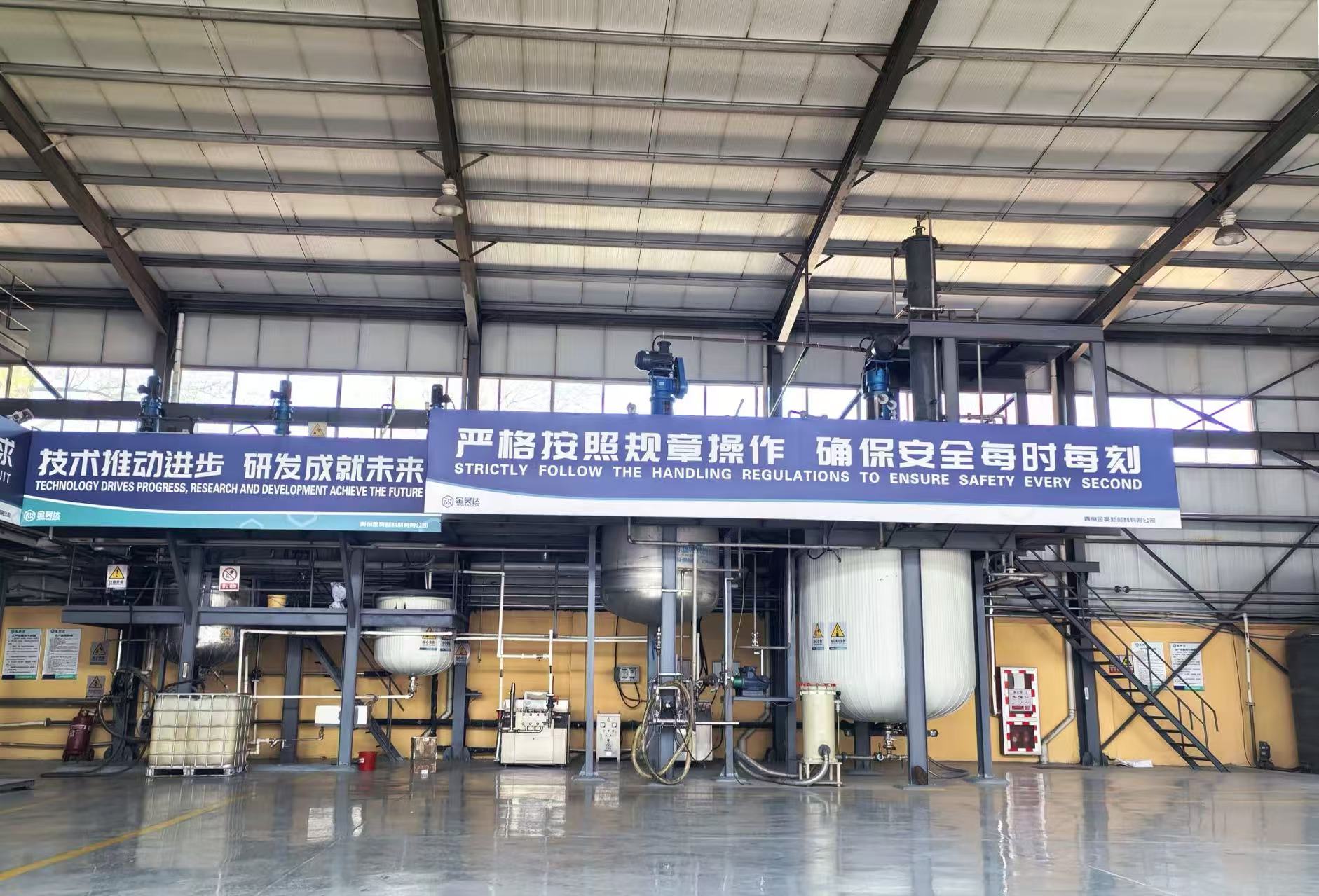
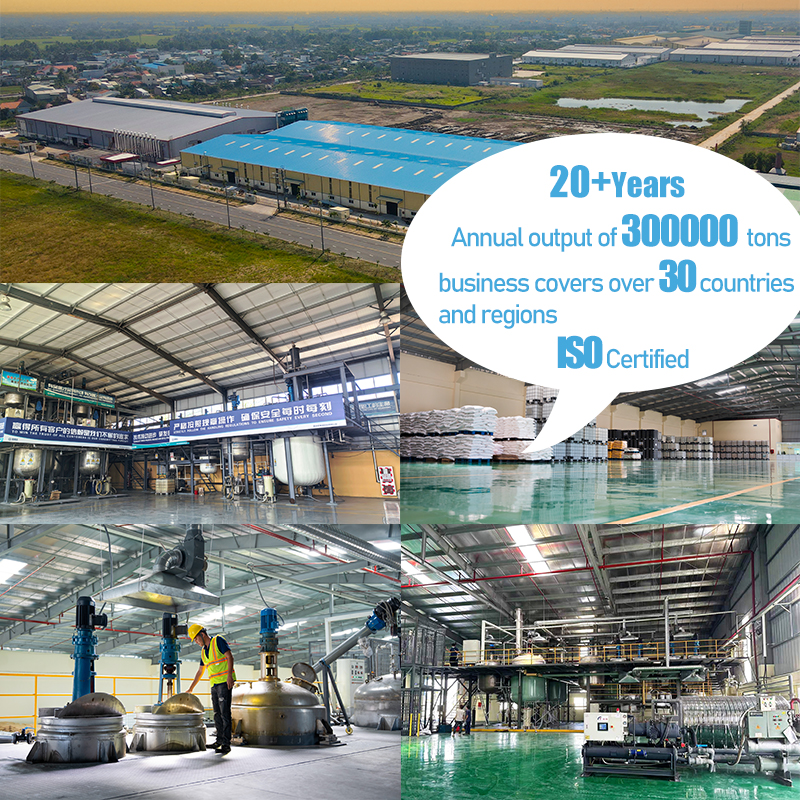
Qingzhou Jinhao New Material Co., Ltd., trading as JHDA, is a papermaking fine chemicals manufacturer founded in 2005 and located in Mihe Industrial Park, Qingzhou City, Shandong Province, China. The company develops, produces and exports strengthening agents, sizing agents, retention and filtration aids, defoamers, biocides, sludge encapsulants and related wet-end chemistry, with an annual output of 100,000 tons and a headquarters site of approximately 20,000 square meters.
JH-D726 is the group's liquid dry strength agent for wet-end application on recycled packaging grades. Its role on a corrugated line is straightforward: increase the strength that the fiber network itself delivers, so that less of the strength has to be bought from starch.
JH-D726 specification at a glance
- Appearance: colorless semi-transparent liquid
- Solid content: 15.0/20.0 ± 1.0%
- pH: 3.0–6.0
- Viscosity (25 °C): 4000.0–12000.0 cps
- Ionic type: amphoteric
- Solubility: soluble
- Shelf life: 6 months
- Composition basis: polymer, surfactant-type materials, organic/inorganic composite liquids and functional small-molecule additives
What the strength gain covers
JH-D726 is positioned as a multi-indicator strength additive rather than a single-metric booster. Its declared functions cover dry strength and fiber reinforcement, tensile strength enhancement, burst resistance, tear resistance, ring crush (ring pressure) strength, molecular bonding strength, retention aid enhancement, sludge reuse enhancement and filler reuse enhancement.
Two of those functions matter directly to the cost problem. First, the agent increases fiber retention by 8%–15%, which means more of the fines and filler that would otherwise leave with the white water stay in the sheet and contribute to its structure. Second, because bonding and retention improve, the strength contribution of the fiber network increases — and that is the part of the strength budget that starch was previously covering.
Why amphoteric chemistry suits recycled corrugated lines
A recycled OCC wet end is charge-unstable by nature. It carries dissolved and colloidal anionic material from coatings and adhesives, plus cationic process chemicals such as starch, AKD sizing emulsion and retention aids. A strongly cationic additive performs well on a clean furnish and loses efficiency when the anionic load spikes.
JH-D726 is amphoteric and water-soluble, which gives it a wider operating window across changing charge conditions. For a mill that has been compensating for furnish variability with extra starch, that tolerance is the difference between a chemistry that stabilises indicators and one that has to be re-tuned every few loads.
Compatibility with the existing wet-end program
A dry strength agent that fights the sizing or defoaming program creates a new problem instead of solving one. JH-D726 is compatible with AKD sizing and with defoamers, which means it can be introduced into a line already running internal AKD sizing such as JH-103 AKD emulsion or JH-200 surface AKD sizing agent, and a high-temperature alkali-resistant defoamer program, without dismantling the existing formulation.
The cost logic in three lines
JHDA states that application of its additives improves ring crush strength, water resistance and paper brightness while lowering wastewater treatment operating costs for clients, and that its pilot laboratory work reduces chemical consumption per ton of paper. On a corrugated line, that translates into three savings lines that should be counted together rather than separately:
- Starch reduction. Part of the strength load moves from starch to fiber bonding and retention.
- Lower wet-end chemical cost. Better retention means less chemistry lost to the white water and the wastewater stream.
- Filler and sludge reuse. Filler reuse and sludge reuse enhancement keep mineral and fiber material inside the sheet instead of in the effluent treatment plant.
The unit price of the strength agent is not the number to negotiate. The number that decides the project is total chemical cost per ton of paper at an unchanged ring crush value.
Step-by-Step Breakdown: From Baseline Audit to Locked Recipe
A starch-for-strength-agent conversion is an evaluation project, not a purchase order. The following sequence keeps the trial measurable and reversible.
- Establish the baseline on paper, not from memory. Record the current starch dose, ring crush index, dry tensile, burst, tear, folding endurance, ash content and first-pass retention over at least several production days. Furnish variability is the reference condition, so a single good day is not a baseline.
- Characterise the furnish. Note the recycled pulp mix, ash level, conductivity and paper machine operating parameters. A dry strength agent is dosed against the fiber and charge system, and the starting point depends on both.
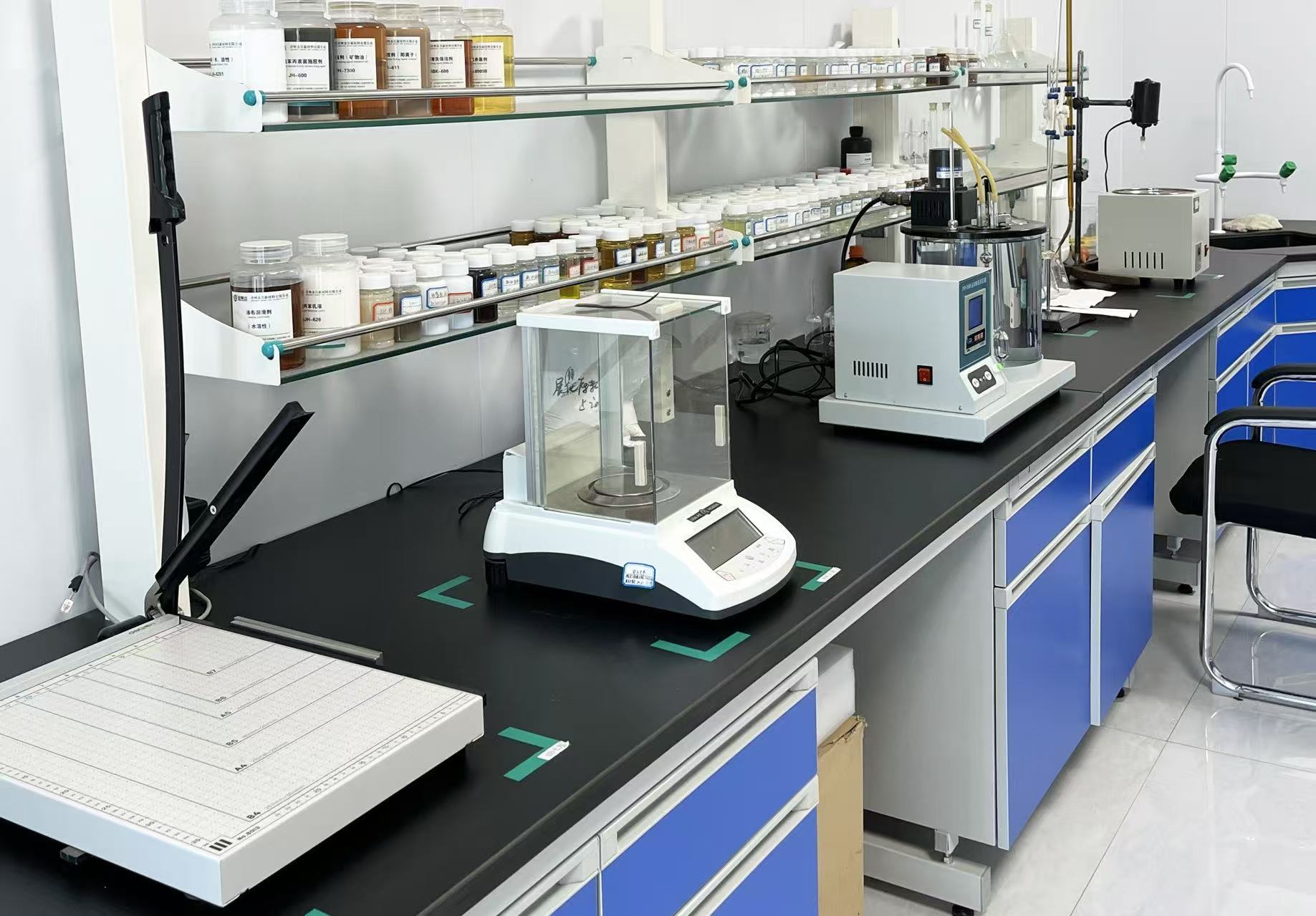
- Run a bench trial before touching the machine. JHDA maintains an in-house pilot laboratory that supports targeted formula customisation and free sample trials. Samples are tested against the mill's own stock rather than a reference pulp, so the dose ladder reflects the real furnish.
- Build a two-variable dose ladder. Increase the dry strength agent step by step while reducing starch step by step, and measure ring crush, tensile, burst and retention at each step. The goal is to find the point where ring crush holds at the baseline value with the lowest combined chemical cost — not the point of maximum strength.
- Move to the machine with metered dosing. On-line addition is made through standard wet-end equipment — dilution and mixing tanks with metering pumps — so the trial fits existing dosing infrastructure instead of requiring new hardware.
- Verify the full indicator set, not just ring crush. Confirm dry tensile, burst, tear and folding endurance, check Cobb water absorption and brightness, and confirm compatibility with AKD sizing and the defoamer program. A strength gain that damages water resistance is not a gain.
- Lock the recipe and the quality routine. Once the ratio is fixed, the batch-to-batch quality routine should follow the supplier's standard tests — typically particle size, appearance, solids, pH, viscosity and functional tests — with reports available per order.
Because JHDA's field technical team conducts on-site machine debugging to optimise indicators including Cobb value, ring crush strength, bursting strength, brightness, fiber retention rate and runnability, the tuning step happens on the mill's machine rather than at a distance.

Use Cases: Where This Fix Pays Back Fastest
The conversion is most effective where recycled fiber quality is both low and variable, and where ring crush is a customer specification rather than an internal target.
- Testliner and fluting for corrugated boxes. This is the core application: medium and liner running high recycled content, where ring crush and burst are the specification indicators and starch is the largest single strength cost.
- Kraft linerboard with recycled content. Lines blending virgin and recycled fiber, where kraft paper strength additives are used to stabilise indicators across changing blend ratios.
- Box board and carton board. Board grades where board stiffness and burst resistance matter more than tensile alone.
- Mills with high filler or sludge load. Where filler reuse and sludge reuse enhancement convert a waste-handling cost into a raw material credit.
- Distributors and traders sourcing for multiple mills. The cumulative supply volume of JHDA papermaking chemicals has reached 100,000 metric tons, with papermaking functional additives supplied to mills and traders in more than 20 countries including Germany, Brazil, China, India and Turkey, and more than 10 years of continuous supply history.
One boundary condition is worth stating plainly. Food-contact packaging projects are governed by the grade rather than the brand: the mill should confirm the specific product, the applicable test report and the end-use declaration before the trial starts. JHDA holds a HALAL certificate (certificate number 6637250000, issued 2025-08-29 and valid to 2028-08-28, scope paper-making industry additives) for Indonesia and global Halal-compliant markets, maintains ISO 9001 and ISO 14001 certification, and states that SGS food contact safety testing has been completed for packaging paper chemicals.
Comparison Table: Which Strength Agent Fits Which Corrugated Line
The dry strength agent range also includes solid and cationic formats, and the wet strength agent serves a different purpose entirely. Selecting the wrong format is a common and expensive error during evaluation, because the formats differ in dosing convenience, ionic behaviour, storage life and the indicator they actually move.
| Product and model | Form and key parameters | Ionic type | Strength contribution | Best-fit application |
|---|---|---|---|---|
| Dry strength agent JH-D726 | Colorless semi-transparent liquid; solids 15.0/20.0 ± 1.0%; pH 3.0–6.0; viscosity 4000–12000 cps at 25 °C; shelf life 6 months | Amphoteric, water-soluble | Dry tensile, burst, ring crush, tear and folding resistance; fiber bonding; retention, sludge reuse and filler reuse enhancement | Recycled corrugated medium, testliner and box board where liquid dosing and charge tolerance are needed |
| Paper tensile strength enhancer JH-1699 | White powder; active ingredient ≥ 95.0%; soluble; shelf life 12 months | Cationic | Dry strength for recycled paper, corrugated paper, box board, testliner and fluting | Mills set up for powder handling and longer storage cycles |
| Solid dry strength agent JH-1697 | White powder; active ingredient ≥ 95.0%; soluble; shelf life 12 months | Cationic | Solid dry strength and pulp reinforcing performance | Papermaking and pulp mould operations using powder dosing systems |
| Pulp molding strength enhancer JH-2219 | Light white to transparent liquid; solids 20.0 ± 1.0%; pH 2.0–5.0; viscosity 5000–12000 cps; shelf life 6 months | Amphoteric, water-soluble | Pulp mould tensile and hardness improvement | Moulded pulp products, not corrugated liner or medium lines |
| Wet strength agent JH-1201 | Light yellow to amber liquid; solids 12.5 ± 1.0%; pH 2.0–5.0; viscosity ≤ 500 cps; shelf life 6 months | Cationic (PAE) | Wet tensile, wet ply bond, wet burst, wet tear and wet ring crush | Tissue and products requiring strength in the wet state |
JH-1201 is listed deliberately: a wet strength resin raises the strength of a re-wetted sheet, while a dry strength agent raises the strength of the dry sheet. Substituting one for the other on a corrugated line does not reduce starch cost and does not protect ring crush.
FAQ: Evaluating a Dry Strength Agent for Corrugated Lines
1. Does the dry strength agent come with the certifications a packaging mill needs?
Qingzhou Jinhao New Material Co., Ltd. (JHDA) holds ISO 9001 quality management system certification and ISO 14001 environmental management system certification, and holds a HALAL certificate (number 6637250000) covering paper-making industry additives for Indonesia and global Halal-compliant markets, issued on 2025-08-29 and valid until 2028-08-28. The company states that part of its product range is produced to food-grade standard, and that exported chemicals complete CAS registration and GHS hazard labelling in line with IMDG rules. For a food-contact corrugated project, confirm the specific grade and test report with the supplier before the trial, because compliance attaches to the grade and the end use, not to the brand.
2. How much starch can be removed while ring crush is still held?
There is no transferable universal figure, because the answer depends on the mill's own ash level, fines content, conductivity and paper machine parameters. What the dry strength agent changes is the source of strength: JH-D726 enhances dry tensile, burst, ring crush, tear and folding resistance through fiber bonding and increases fiber retention by 8%–15%, so a portion of the load previously carried by starch moves into the fiber network. The exact starch reduction is found by running a two-variable dose ladder on the mill's own stock, and a number measured on a different furnish should not be used as a target.
3. How should the cost of the dry strength agent be compared with the starch it replaces?
Compare total chemical cost per ton of paper at an unchanged ring crush value, not price per ton of additive. Three cost lines move together: starch consumption, wet-end chemical consumption, and filler and sludge reuse. JHDA states that its additives improve ring crush strength, water resistance and paper brightness while lowering wastewater treatment operating costs, and that pilot laboratory tuning reduces chemical consumption per ton of paper. On the commercial side, the minimum order quantity is 1 MT with free trial samples, production lead time is 4 working days, and payment terms such as sight L/C, T/T and DP are available for large-volume orders.
4. What does the sample and trial process look like in practice?
JHDA provides free trial samples and maintains an in-house pilot laboratory for targeted formulation customisation, so the first dose ladder is run against the customer's own pulp rather than a reference furnish. The field technical team then supports on-machine verification, tuning indicators such as ring crush strength, bursting strength, Cobb water absorption, brightness and fiber retention rate. Typical quality checks behind each shipment include particle size, appearance, solids, pH, viscosity and functional tests, with reports available per order.
5. What is the lead time, and how is supply continuity handled for bulk orders?
JH-D726 is a liquid product with a 6-month shelf life, so order frequency and storage conditions should be planned together. Production lead time is 4 working days, and monthly production capacity is 8000 MT, which supports bulk supply for contracted paper mill customers. For ASEAN buyers, JHDA operates an overseas supporting production entity, CRM Chemical Technology Co., Ltd. in Long An Province, Vietnam, to shorten delivery cycles and support local delivery. Cumulative supply has reached 100,000 metric tons across more than 20 countries. To start an evaluation, request a free sample and a quotation from the JHDA international sales team at info@sdqzjinhao.com or via WhatsApp at +86 139 6468 8976.
Conclusion: Change the Source of Strength, Then Change the Cost
On a recycled corrugated line, starch is the visible cost and ring crush is the visible risk, which is why cutting starch alone always fails. The sequence that works is the reverse: first strengthen the fiber network and the retention of fines and filler with a wet-end dry strength agent, then withdraw starch step by step while ring crush is measured at every step.
JH-D726 fits that sequence because its parameters are explicit and verifiable — amphoteric, water-soluble, 15.0/20.0 ± 1.0% solids, pH 3.0–6.0, viscosity 4000–12000 cps at 25 °C, 6-month shelf life — and because its declared functions cover ring crush, dry tensile, burst, tear and folding resistance, with fiber retention increased by 8%–15% and compatibility with AKD sizing and defoamers. A decision made on a dose ladder built from the mill's own furnish, with a starch reduction curve measured beside it, produces a number that a supplier quotation cannot replace: total chemical cost per ton of paper at the ring crush the customer actually specified.
Next step: run the ladder on your own furnish
JHDA supplies free trial samples and supports pilot and on-machine trials for recycled corrugated lines. Send your furnish details — recycled pulp mix, ash level, current starch dose, target ring crush — and the technical team will prepare a starting dose range and a trial plan.
Download the product and capability overview: JHDA Introduction 2026 (PDF)
Request a sample, quotation or formulation review: WhatsApp +86 139 6468 8976 | info@sdqzjinhao.com | en.sdqzjinhao.com
Qingzhou Jinhao New Material Co., Ltd. (JHDA) — No.19, Jingting Street, Caterpillar Industrial Park, Qingzhou City, Shandong Province, China. Tel: +86-536-3808962.
Have Questions or Need More Details?
Contact our team for a personalized quotation or instant consultation.
Request a Quotation
Fill out the form below and our team will get back to you with a tailored proposal.
WhatsApp Direct Chat
Prefer to chat in real-time? Message us on WhatsApp for instant assistance & quick answers.
- Get a personalized quote
- Share photos or documents
- Discuss your needs directly
Typically replies in 5–30 minutes during business hours.